
Many new gymgoers assume creatine and pre-workout are basically the same thing—and it’s easy to see why. Both are known to improve performance, help you train harder, and support better results over time.
But they’re actually very different supplements.
Creatine works quietly in the background. You take it daily, and it helps you build more strength, power, and muscle by improving how your muscles produce energy.
Pre-workout works immediately. You take it before training, and it boosts your energy, focus, and endurance for the workout you’re about to do.
In this article, you’ll learn how creatine and pre-workout work, when to use them, and the simplest way to combine them for stronger workouts and faster progress.
Key Takeaways
- Creatine and pre-workout are different supplements. Creatine helps you produce energy more efficiently, while pre-workout boosts your energy and focus for a single workout.
- Creatine works best when you take it every day. It builds up in your muscles and helps you lift more weight and do more reps.
- Pre-workout works right away. Taking it 30–60 minutes before training can help you feel more alert and ready to exercise.
- Most people can use creatine and pre-workout together, but if you want to be sure they don’t interfere with each other, keep your caffeine intake moderate and take the supplements separately.
- The best creatine and pre-workout supplements use proven ingredients, effective doses, transparent labels, and third-party testing to ensure safety and quality.
Table of Contents
+
Creatine vs. Pre-Workout: Quick Comparison
Creatine vs. Pre-Workout: Quick Comparison
| Feature | Creatine | Pre-Workout |
|---|---|---|
| Main Purpose | Improves strength, power, and muscle gain over time | Increases energy, focus, and endurance for the workout you’re about to do |
| When You Take It | Daily, at any time (timing doesn’t matter) | 30–60 minutes before training |
| How it Works | Boosts ATP regeneration so you can lift more weight and do more reps | Uses stimulants and performance-boosting ingredients to raise energy, alertness, and blood flow |
| What’s In It | Usually just creatine monohydrate | Often includes caffeine, citrulline, beta-alanine, theanine, and other performance-boosting ingredients |
| Safety Overview | Extremely well-studied and safe for healthy people; large doses may cause mild bloating or stomach discomfort | Safe for most people; higher stimulant doses may cause jitters, restlessness, or trouble sleeping |
| Best For | Anyone who wants to maximize long-term progress | Anyone who wants more energy or focus going into a workout |
| Using Them Together | Yes—most people can combine them easily. Take pre-workout before training and creatine anytime that fits your routine. |

Creatine vs. Pre-Workout: The Basics
When people compare creatine vs. pre-workout, they’re usually grouping two very different supplements together. The confusion makes sense—they both improve performance—but they work in totally different ways.
Here’s a simple way to understand the difference between creatine and pre workout:
- Creatine is like adding a bigger engine to your car. It helps your muscles produce more energy so you can lift more weight and gain more strength over time.
- Pre-workout is like hitting the “sport mode” button. It boosts your energy, focus, and drive for the workout you’re about to do.
Here’s how taking both looks in practice:
- You take creatine every day, whether you train or not. You won’t feel it take effect, but over a few weeks you’ll notice you’re stronger, doing more reps, and recovering faster between sets.
- You take pre-workout 30–60 minutes before training. You usually feel it “kick in,” giving you more energy, focus, and drive. Depending on the formulation, you may also feel your skin tingle or your heart rate speed up.
In other words, creatine supports long-term performance and muscle gain by helping your body produce energy more efficiently, while pre-workout supports short-term energy, focus, and endurance during a single workout.
What Creatine Is and How It Works

Creatine is a naturally occurring compound composed of the amino acids L-arginine, glycine, and methionine.
Your kidneys and liver produce creatine, and you can also absorb it from foods like red meat, fish, and eggs. Your body stores this creatine in your muscles, where it helps make adenosine triphosphate (ATP), your cells’ main energy source.
What Does Creatine Do?
When muscle cells use ATP, they split it into smaller molecules, and when they’re finished, they “reassemble” the fragments back into ATP for reuse.
The more ATP your cells can store and the faster your body can regenerate it, the more “work” you can do.
Creatine gives a phosphate group (a small chemical unit your body uses to make energy) to a molecule called adenosine diphosphate (ADP). This helps your body turn ADP back into ATP faster, which gives your muscles more usable energy during hard exercise.
And that’s why research shows supplementing with creatine . . .
- Boosts muscle and strength gain
- Improves muscular endurance
- Reduces muscle damage and soreness from exercise
- Helps preserve lean mass and strength while restricting calories
- Increases the amount of glycogen your muscles can store
People sometimes ask, “is creatine pre workout?” It isn’t. It doesn’t give you a stimulant “kick”—it just quietly helps you perform better over time.
How to Take Creatine (Timing, Dose, Daily Use)
Creatine is very simple to use:
- Dose: Take 3–5 grams of creatine monohydrate mixed with 8–12 ounces of water every day, even on rest days.
- Timing: Take creatine whenever you like—timing doesn’t matter much. You can also take it with or without food.
You can increase creatine levels in your muscles faster by taking 20 grams per day for the first 5–7 days. This is known as a “loading phase,” and it’s completely optional. If you’d rather keep it simple, just take 3–5 grams per day and your levels will rise on their own over time.
READ MORE: What Happens If You Miss a Day of Creatine?
Potential Side Effects and Who Should Be Cautious
For healthy people, creatine is one of the most studied and safest supplements available. Still, there are a few things to keep in mind:
- Water weight: You may gain a few pounds at first as your muscles store more water. This isn’t fat.
- Digestive upset: Large doses can cause stomach discomfort. Sticking to 3–5 grams per day usually prevents this.
- Kidney issues: Research shows creatine is safe for healthy kidneys, but if you have kidney disease or a serious medical condition, talk to your doctor before using it.
And despite what people sometimes say, no—creatine doesn’t cause headaches or make your hair fall out.
What Pre-Workout Is and How It Works
A pre-workout supplement, or “pre-workout” for short, is a sports nutrition supplement taken before training to enhance energy levels and athletic performance.
Typically, a pre-workout supplement is a powder that you mix with water and drink.
Common Pre-Workout Ingredients and What They Do
Most pre-workouts use a similar “toolkit” of ingredients. Here are some of the most common ones and what they do:
Common Pre-Workout Ingredients and Their Effects
| Ingredient | Primary Effects |
|---|---|
| Caffeine |
|
| L-Citrulline |
|
| Beta-Alanine |
|
| L-Theanine |
|
| Betaine |
|
| Alpha-GPC |
|
| L-Tyrosine |
|
| Taurine |
|
Notice that we haven’t included creatine in the list above—and that’s because most pre-workouts don’t have creatine in them.
When to Take Pre-Workout for Best Results
Take your pre-workout about 30–60 minutes before training to get the most out of it.
If you take it and end up getting delayed—say, you hit traffic or someone’s camped out on the bench or squat rack—don’t worry, you haven’t wasted it.
Most pre-workout ingredients remain effective for at least 1–2 hours after they kick in, so as long as you start your workout within that window, you’ll still feel most of the benefits.
If your session gets pushed back beyond that, the stimulant effects may begin to fade—especially if you’re a fast caffeine metabolizer or have a high tolerance.
But don’t take another dose—doubling up can push your daily caffeine intake to unsafe levels and greatly increase your risk of side effects like jitters, nausea, or insomnia.
READ MORE: How Long Does Pre-Workout Last? Science Explained
Pre-Workout Side Effects and Caffeine Sensitivity
Most pre-workout side effects come from caffeine, though a handful can come from other ingredients, too. Common issues include:
- Jitters, nervousness, anxiety, or a feeling of being “wired” if you take too much caffeine.
- Trouble sleeping if you take it too close to bedtime.
- Digestive upset
- Itching or “pins and needles” on the skin from beta-alanine. This is harmless but can feel weird if you’re not expecting it.
If you’re sensitive to caffeine, small, or prone to anxiety, try these strategies to avoid the downsides of caffeine:
- Use half a serving to see how you respond.
- Avoid stacking pre-workout with other sources of caffeine (coffee or energy drinks, for example).
- Consider a stim-free pre-workout.
- Take your caffeine with L-theanine.
Creatine vs Pre-Workout: Which Is Better?
People often ask questions like “is creatine better than pre-workout?” and want a simple, one-word answer. The truth is, there isn’t one. The better choice depends on what you want from your training.
Here’s how to decide.
What to Choose If Your Main Goal Is Building Muscle and Strength
Start with creatine.
Creatine directly supports the heavy, hard training that builds strength and muscle. It helps you lift more weight, do more reps, and recover faster between sets—all of which lead to long-term progress.
That said, pre-workout can still help. Using it on days when you feel tired or unmotivated can boost your energy and focus, allowing you to train harder and get even more out of the benefits creatine provides.
What to Choose If You Need More Energy, Focus, and Endurance
If your biggest challenge is feeling drained before you even start your workout, pre-workout is the faster solution. It gives you an immediate boost in energy, alertness, and drive so you can attack your training.
But creatine still matters here, too. While it doesn’t provide the instant pick-me-up that pre-workout does, it helps you perform more reps, with more weight, and recover better between sets.
Can You Take Creatine and Pre-Workout Together?
Yes—you can take creatine and pre-workout together.
Some research suggests that very large doses of creatine and caffeine taken at the same time (usually during a creatine loading phase) may interfere with each other. But this happens at doses far higher than what most people use.
To avoid any issues, stick to moderate amounts: no more than 350 mg of caffeine and 3–5 grams of creatine per day. Or, if you want to be extra cautious, just take them separately.
A simple routine for most people is:
- Take your pre-workout 30–60 minutes before training.
- Take creatine at any other convenient time of day.
This approach gives you the full benefits of both supplements without overthinking it.
Creatine vs Pre-Workout for Beginners
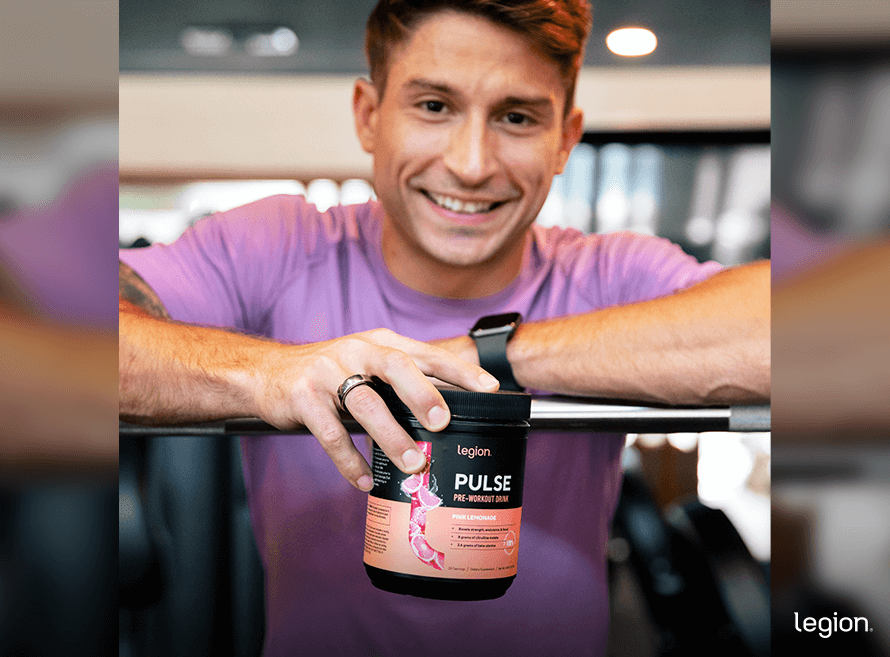
If you’re new to lifting, you can make great progress without any supplements at all. But creatine and pre-workout can still help—just in different ways.
Should a Beginner Take Creatine?
Yes. Creatine is one of the safest, most effective supplements you can take, and it works just as well for beginners as it does for advanced lifters. It helps you gain strength and muscle a little faster by supporting harder training and better recovery, and there’s virtually no downside for healthy people.
If you want an easy, low-effort supplement that reliably improves progress, creatine is a solid choice from day one.
Should a Beginner Use Pre-Workout?
You can—pre-workout isn’t off-limits for beginners. It can help with energy, focus, and motivation, especially if you train early or struggle to get “in the zone.”
Just start slow. Use half a serving the first time to assess your tolerance, especially to caffeine. If it feels good, you can adjust from there. If not, you can skip it entirely—your newbie gains won’t meaningfully suffer without it.
Does Creatine or Pre-Workout Work Differently for Women?
Not really. Creatine and pre-workout work the same way in women as they do in men, and the benefits line up almost identically.
That said, women naturally have slightly lower creatine stores than men and often eat fewer creatine-rich foods like red meat and fish. This makes supplementing with creatine especially useful for women.
Some research even suggests the improvements women experience from creatine may be greater on average. While men often see around a 5% bump in strength or power, women can see closer to 15%, highlighting how effective creatine can be for female lifters.
Pre-workout works the same for women as it does for men, but dose matters. Most of the benefits of caffeine show up at around 6 mg per kilogram of bodyweight, which means many women don’t need the high amounts found in a full scoop of some formulas. In that case, half a serving is usually perfect.
How to Choose a High-Quality Creatine or Pre-Workout Supplement
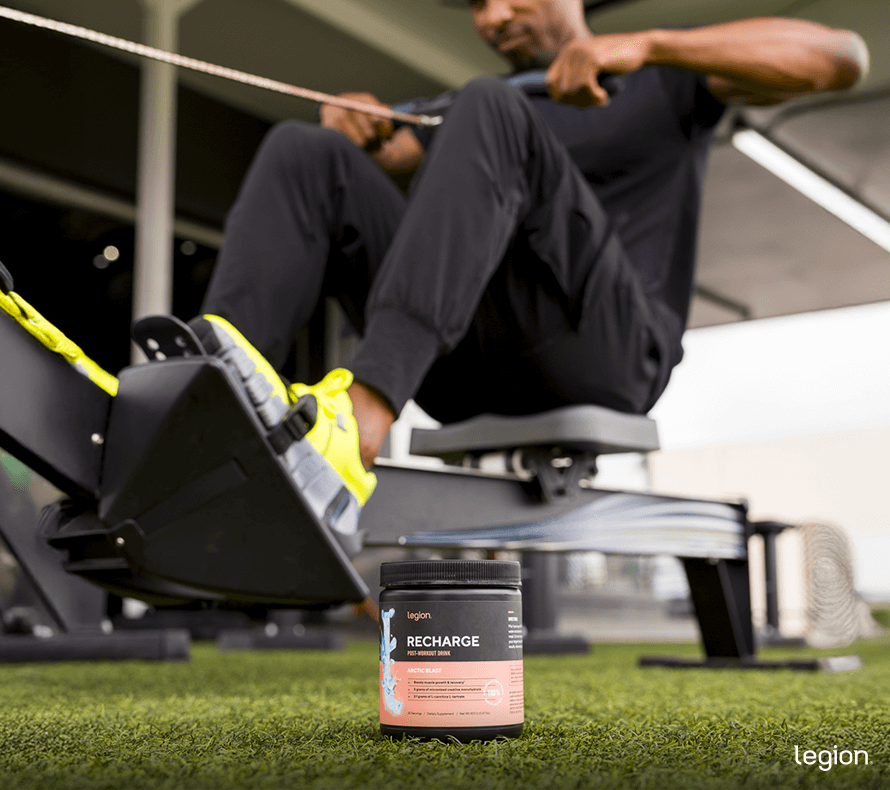
Whether you’re buying creatine or pre-workout, choose products that . . .
- Contain science-backed ingredients: Only use supplements built on ingredients supported by multiple high-quality human studies or, ideally, meta-analyses. Reputable companies cite this research openly because they want you to see the evidence.
- Use clinically effective doses: Make sure every ingredient is included at the amount shown in research to be safe and effective—not underdosed just to look good on the label.
- Have transparent labels: You should know the exact amount of every ingredient. If a product uses “proprietary blends,” “complexes,” or “matrixes,” the brand is usually hiding something (like ineffective doses).
- Are third-party tested: Choose brands that use independent, third-party testing to verify ingredient purity and dosing accuracy. Research shows that supplements without this testing are more likely to contain undeclared ingredients or the wrong amounts of what’s listed.
For products that meet all these criteria, try Legion’s . . .
- Creatine gummies, capsules, powder, or post-workout Recharge
- Pulse, our pre-workout available with or without caffeine, or Pulse+ Burn, our thermogenic pre-workout.
The Bottom Line on Creatine vs Pre-Workout
Creatine and pre-workout do different things, so the “best” choice depends on your goal. Creatine helps you build more strength and muscle over time. Pre-workout gives you the energy and focus to push harder in today’s workout.
Most people get the best results from using both—creatine daily, and pre-workout when they want an extra boost. Keep the doses reasonable, choose high-quality products, and you’ll get the full benefits of each.
FAQ #1: Do I need creatine if I already take pre-workout?
Yes. Assuming your pre-workout doesn’t already contain creatine (and most don’t), taking creatine separately ensures you get the full 3–5 grams per day shown to improve performance, muscle gain, and recovery.
FAQ #2: Can I take creatine and pre-workout on the same day?
Yes. In most cases you can even take them together. That said, if you want to prevent any possible interference, take your pre-workout 30–60 minutes before training and take creatine at any other convenient time. This keeps both supplements working exactly as intended.
FAQ #3: Should beginners take creatine or pre-workout first?
Creatine is usually the best place to start. It’s safe, simple, and helps beginners build strength and muscle faster. Pre-workout can help with energy and focus, but it isn’t essential. If you want to try it, start with half a serving to assess your caffeine tolerance.
Want More Content Like This?
Check out these articles:
- What Is a Thermogenic Pre-Workout & Should You Use One?
- Does Honey and Salt Pre-Workout Actually Work?
- Dry Scooping Pre-Workout: What It Is and Why People Do It
Scientific References +
- Cooper, Robert, et al. “Creatine Supplementation with Specific View to Exercise/Sports Performance: An Update.” Journal of the International Society of Sports Nutrition, vol. 9, no. 1, 20 July 2012, pp. 1–11, https://doi.org/10.1186/1550-2783-9-33.
- Wallimann, Theo, et al. “The Creatine Kinase System and Pleiotropic Effects of Creatine.” Amino Acids, vol. 40, no. 5, 1 May 2011, pp. 1271–1296, www.ncbi.nlm.nih.gov/pubmed/21448658, https://doi.org/10.1007/s00726-011-0877-3.
- Persky, Adam M, et al. “Pharmacokinetics of the Dietary Supplement Creatine.” Clinical Pharmacokinetics, vol. 42, no. 6, 2003, pp. 557–574, https://doi.org/10.2165/00003088-200342060-00005.
- Guzun, R., et al. “Systems Bioenergetics of Creatine Kinase Networks: Physiological Roles of Creatine and Phosphocreatine in Regulation of Cardiac Cell Function.” Amino Acids, vol. 40, no. 5, 10 Mar. 2011, pp. 1333–1348, link.springer.com/article/10.1007%2Fs00726-011-0854-x, https://doi.org/10.1007/s00726-011-0854-x.
- Burke, Ryan, et al. “The Effects of Creatine Supplementation Combined with Resistance Training on Regional Measures of Muscle Hypertrophy: A Systematic Review with Meta-Analysis.” Nutrients, vol. 15, no. 9, 1 Jan. 2023, p. 2116, www.mdpi.com/2072-6643/15/9/2116, https://doi.org/10.3390/nu15092116.
- Jaramillo, Arturo, et al. “Effectiveness of Creatine in Metabolic Performance: A Systematic Review and Meta-Analysis.” Cureus, vol. 15, no. 9, 15 Sept. 2023, www.ncbi.nlm.nih.gov/pmc/articles/PMC10503229/#REF19, https://doi.org/10.7759/cureus.45282.
- Mielgo-Ayuso, Juan, et al. “Effects of Creatine Supplementation on Athletic Performance in Soccer Players: A Systematic Review and Meta-Analysis.” Nutrients, vol. 11, no. 4, 31 Mar. 2019, p. 757, pmc.ncbi.nlm.nih.gov/articles/PMC6520963/, https://doi.org/10.3390/nu11040757.
- Bassit, Reinaldo Abunasser, et al. “Effect of Short-Term Creatine Supplementation on Markers of Skeletal Muscle Damage after Strenuous Contractile Activity.” European Journal of Applied Physiology, vol. 108, no. 5, 3 Dec. 2009, pp. 945–955, https://doi.org/10.1007/s00421-009-1305-1.
- Santos, R.V.T, et al. “The Effect of Creatine Supplementation upon Inflammatory and Muscle Soreness Markers after a 30km Race.” Life Sciences, vol. 75, no. 16, Sept. 2004, pp. 1917–1924, https://doi.org/10.1016/j.lfs.2003.11.036. Accessed 5 Mar. 2020.
- ROCKWELL, JOHN A., et al. “Creatine Supplementation Affects Muscle Creatine during Energy Restriction.” Medicine and Science in Sports and Exercise, Jan. 2001, pp. 61–68, https://doi.org/10.1097/00005768-200101000-00011.
- NELSON, ARNOLD G., et al. “Muscle Glycogen Supercompensation Is Enhanced by Prior Creatine Supplementation.” Medicine and Science in Sports and Exercise, July 2001, pp. 1096–1100, https://doi.org/10.1097/00005768-200107000-00005.
- Kreider, Richard B., et al. “International Society of Sports Nutrition Position Stand: Safety and Efficacy of Creatine Supplementation in Exercise, Sport, and Medicine.” Journal of the International Society of Sports Nutrition, vol. 14, no. 1, 13 June 2017, pubmed.ncbi.nlm.nih.gov/28615996/, https://doi.org/10.1186/s12970-017-0173-z.
- Vandenberghe, K., et al. “Caffeine Counteracts the Ergogenic Action of Muscle Creatine Loading.” Journal of Applied Physiology, vol. 80, no. 2, 1 Feb. 1996, pp. 452–457, https://doi.org/10.1152/jappl.1996.80.2.452.
- Hespel, P., et al. “Opposite Actions of Caffeine and Creatine on Muscle Relaxation Time in Humans.” Journal of Applied Physiology, vol. 92, no. 2, 1 Feb. 2002, pp. 513–518, https://doi.org/10.1152/japplphysiol.00255.2001.
- Harris, Roger C., et al. “Modification of the Ergogenic Effects of Creatine Loading by Caffeine.” Medicine & Science in Sports & Exercise, vol. 37, no. Supplement, May 2005, pp. S348–S349, https://doi.org/10.1249/00005768-200505001-01834.
- Trexler, Eric T., et al. “Effects of Coffee and Caffeine Anhydrous Intake during Creatine Loading.” Journal of Strength and Conditioning Research, vol. 30, no. 5, May 2016, pp. 1438–1446, https://doi.org/10.1519/jsc.0000000000001223.
- Brosnan, John T., and Margaret E. Brosnan. “Creatine: Endogenous Metabolite, Dietary, and Therapeutic Supplement.” Annual Review of Nutrition, vol. 27, no. 1, Aug. 2007, pp. 241–261, https://doi.org/10.1146/annurev.nutr.27.061406.093621.
- Jd, Branch. “Effect of Creatine Supplementation on Body Composition and Performance: A Meta-Analysis.” International Journal of Sport Nutrition and Exercise Metabolism, 1 June 2003, pubmed.ncbi.nlm.nih.gov/12945830/.
- Houda Bougrine, et al. “Optimizing Short-Term Maximal Exercise Performance: The Superior Efficacy of a 6 Mg/Kg Caffeine Dose over 3 or 9 Mg/Kg in Young Female Team-Sports Athletes.” Nutrients, vol. 16, no. 5, 25 Feb. 2024, pp. 640–640, https://doi.org/10.3390/nu16050640.
- Harty, Patrick S., et al. “Multi-Ingredient Pre-Workout Supplements, Safety Implications, and Performance Outcomes: A Brief Review.” Journal of the International Society of Sports Nutrition, vol. 15, no. 1, 8 Aug. 2018, jissn.biomedcentral.com/articles/10.1186/s12970-018-0247-6, https://doi.org/10.1186/s12970-018-0247-6.