Not happy with your purchase?
Simply let us know, and you'll get a full refund, no questions asked. And you don't even need to return anything.
So that means you can say "yes" now and decide later.
Legion Recharge Ingredients (8 grams per serving)
Micronized Creatine Monohydrate (5 grams per serving)
Creatine is a compound made up of the amino acids L-arginine, glycine, and methionine. Our body can produce creatine naturally, but it can also absorb and store creatine found in various foods like meat, eggs, and fish.
Creatine monohydrate is creatine with one molecule of water attached to it. This form of creatine has been around (and studied) for decades and is a tried-and-true winner, whereas other forms have failed to produce better results.
The creatine monohydrate in Recharge has also been micronized, which is a process that produces very fine particles that are more water soluble and easier to digest. Thus, micronized creatine monohydrate mixes better with liquid than the non-micronized form and is less likely to upset sensitive stomachs.
Research shows that supplementation with creatine monohydrate . . .
- Boosts muscle and strength gain[8][9][10][11]
- Improves anaerobic endurance[12][13][14][15][16][17]
- Reduces muscle damage and soreness from exercise[18][19]
- Increases the amount of glycogen your muscles can store[20]
- Helps preserve lean mass and strength while restricting calories[21]
And in case you’re worried that creatine is bad for your kidneys, these claims have been horribly overblown.[22][23] Creatine supplementation isn’t advised in cases of kidney disease treated by diuretics, but in healthy people, both short- and long-term usage of creatine has no harmful side effects.[24][25][26]
The clinically effective dose of creatine monohydrate is 3 to 5 grams.[27]
myHMB® β-Hydroxy β-Methylbutyrate (2.5 grams per serving)
β-Hydroxy β-Methylbutyrate (HMB) is a compound produced when the body breaks down leucine, an amino acid that stimulates protein synthesis.[28]
myHMB® is a patented form of HMB and one of the most clinically proven forms on the market, with over 150 peer-reviewed studies supporting its safety and efficacy.
HMB reduces protein breakdown, strengthens muscle cell membranes, and activates muscle-building molecules like mTOR and IGF-1.[29][30]
Research shows that supplementation with myHMB® . . .
- Reduces muscle loss while training in a calorie deficit[31][32][33][34]
- Reduces exercise-induced muscle damage[35][36][37][38][39]
- May support fat loss[40][41][42]
The clinically effective dose of HMB is between 2,000 and 3,000 milligrams.
VitaCherry® Sport Tart Cherry Powder (500 milligrams per serving)
Tart cherry powder is a powdered fruit extract made from sour cherries, which are naturally rich in anthocyanins—the pigments that give the fruit its deep red color.
VitaCherry® Sport is a standardized extract made from whole U.S.-grown Montmorency tart cherries. Compared to typical tart cherry powders made from skins, it’s about 15 times more concentrated in anthocyanins.
These anthocyanins help limit the production of compounds like prostaglandins that contribute to muscle soreness after exercise, supporting faster recovery from hard training.
Research shows that supplementation with tart cherry extract . . .
- Helps reduce exercise-induced muscle damage[43][44][45]
- Helps reduce post-exercise muscle soreness[46][47]
- Supports recovery of strength and power after exercise[48][49]
While researchers are still working to establish a clinically effective dose of tart cherry extract, most studies showing a benefit use between 400 mg and 500 mg per day.
Naturally Sweetened and Flavored
While artificial sweeteners may not be as dangerous as some people claim, studies suggest that regular consumption of these chemicals may indeed be harmful to our health.[50][51][52][53][54][55]
That’s why we use natural sweeteners like stevia, erythritol, and monk fruit instead. Research shows that these ingredients are not only safe but can also confer several health benefits, including better nutrient absorption, healthy cholesterol and inflammation levels, and more.[56][57][58][59]
No Artificial Food Dyes, Fillers, or Other Unnecessary Junk
As with artificial sweeteners, studies show that artificial food dyes and fillers can cause negative effects in some people, including gastrointestinal toxicity and behavioral disorders.[60][61][62][63][64]
That’s why we use natural coloring and flavoring derived from fruits and other foods as well as naturally derived ingredients for improving texture, enhancing shelf life, and facilitating the manufacturing process.
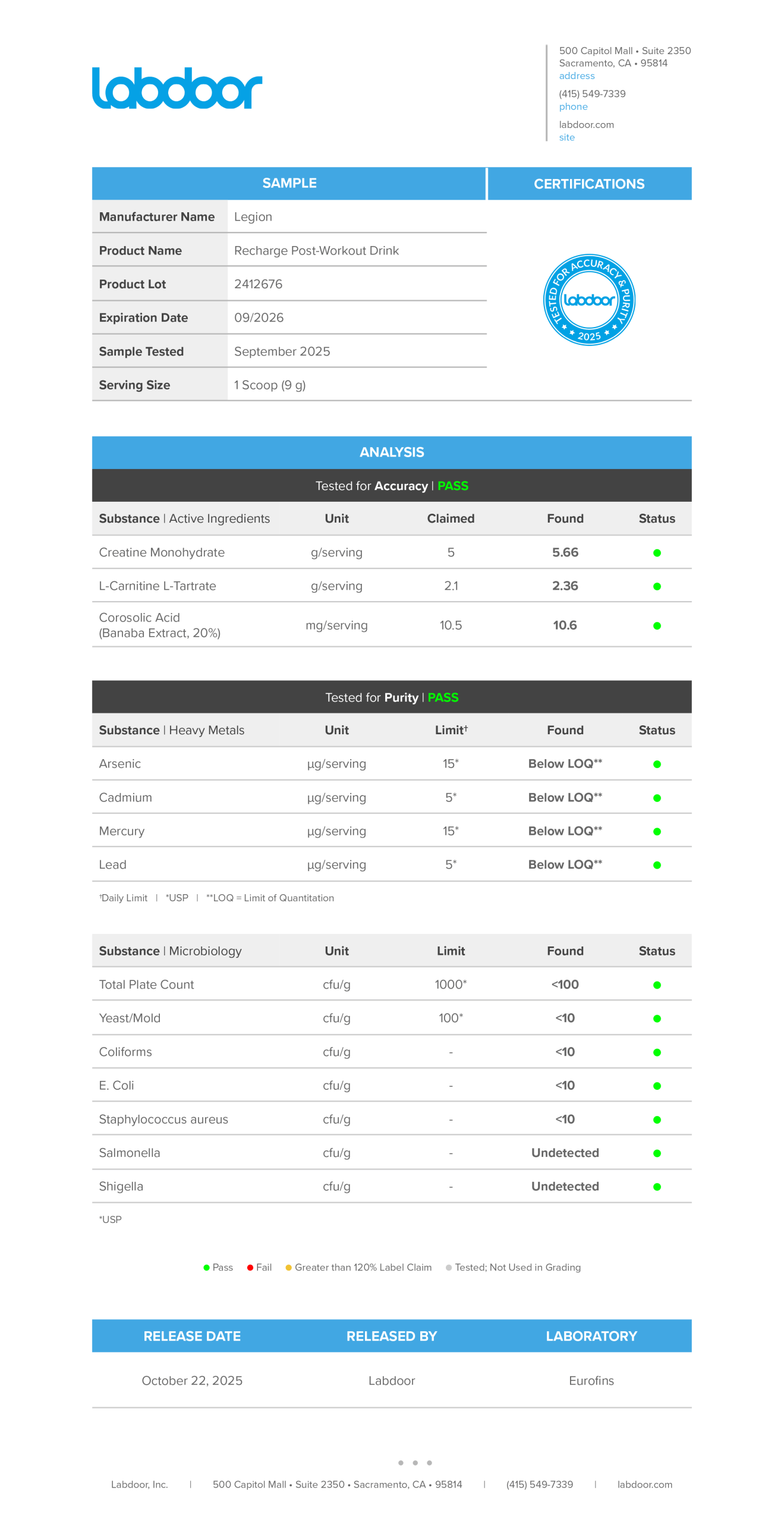
Third-Party Lab Tested by Labdoor™
Recharge is lab-tested for purity and accuracy and independently certified by Labdoor™ to meet or exceed FDA safety guidelines.[65]
Made in the USA with Globally Sourced Ingredients
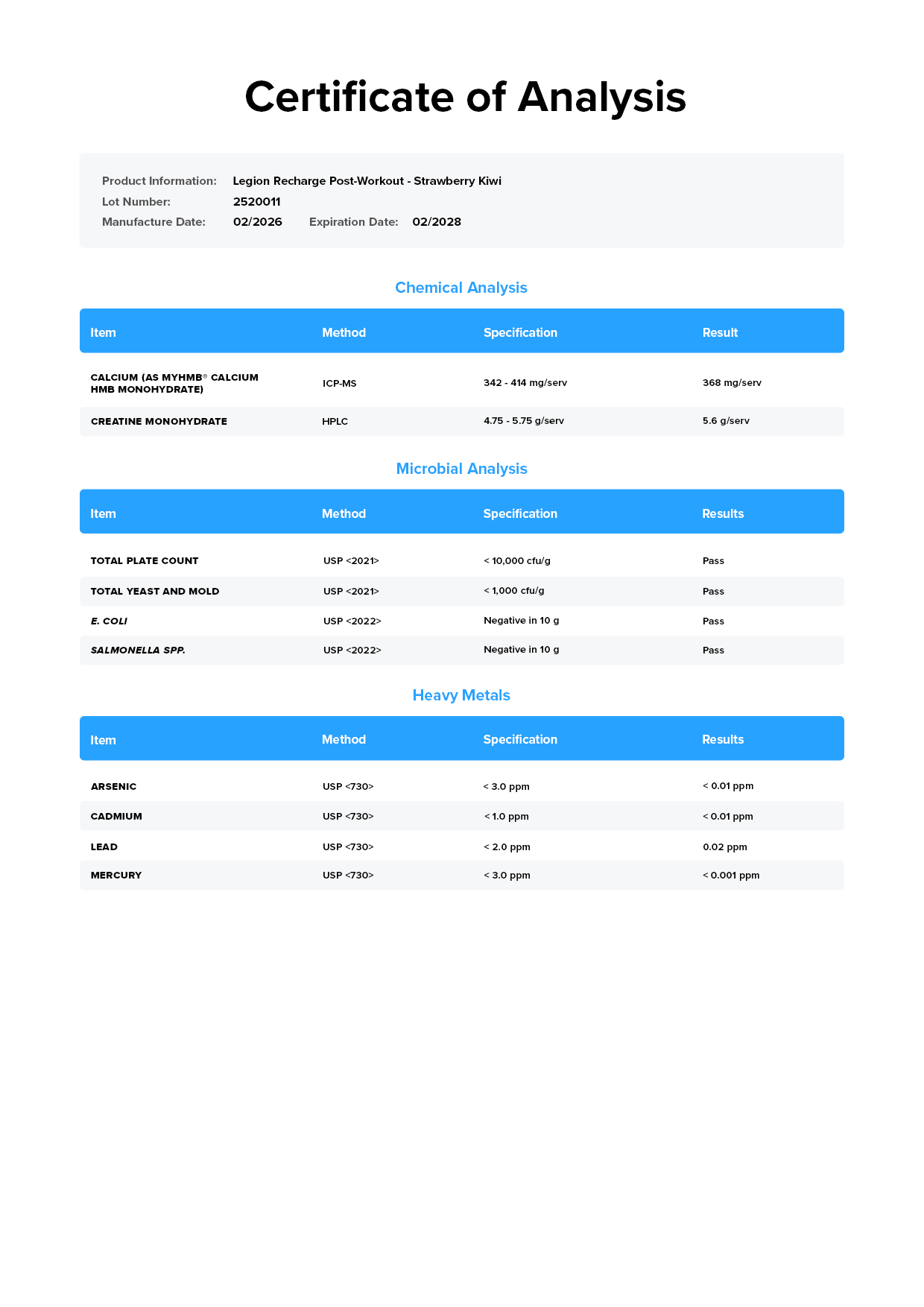
If you want to ensure the supplements you’re swallowing every day are safe and effective, you want to buy from a company that:
- Sources ingredients from premium suppliers around the world (great supplements require great raw materials)
- Tests all products for purity and accuracy in accredited laboratories (to conclusively verify safety and efficacy)
- Manufactures in America, which has some of the strictest regulations in the world
And that’s exactly what we do here at Legion.
See how Legion Recharge compares to the rest.
- Active Ingredients
- Clinically Effective Ingredients and Doses
- Micronized Creatine Monohydrate
- β-Hydroxy β-Methylbutyrate
- myHMB® β-Hydroxy β-Methylbutyrate
- Tart Cherry Powder
- VitaCherry® Sport Tart Cherry Powder
- Naturally Sweetened & Flavored
- Third-Party Lab Tested by Labdoor™
- Labdoor™ Ranking
- Price Per Serving
-
Legion
Recharge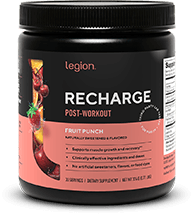

- 8,000 mg
per serving 

- 5,000 mg
per serving - 2,500 mg
per serving - 500 mg
per serving - A+
-
Transparent Labs
Creatine HMB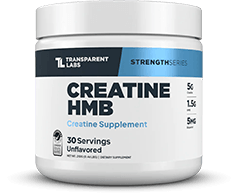

- 6,505 mg
per serving 

- 5,000 mg
per serving - 1,500 mg
per serving - A+
- $1.66
-
Animal
Creatine HMB+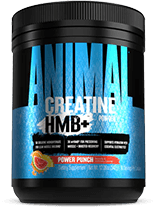

- 8,475 mg
per serving - 5,000 mg
per serving - 3,000 mg
per serving - $1.66
-
Jacked Factory
Creatine + HMB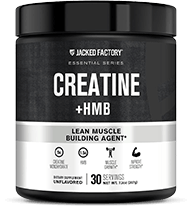

- 6,500 mg
per serving - 5,000 mg
per serving - 1,500 mg
per serving - N/A
- $1.33
The #1 brand of naturally sweetened and flavored sports supplements.
We’ve sold over 5 million bags and bottles to over 1 million customers in 169 countries who have left us over 55,000 5-star reviews.

Clinically Effective Ingredients and Doses
Every active ingredient, form, and dose in Recharge is backed by peer-reviewed scientific research demonstrating clear benefits in healthy humans.

Total Label Transparency
We clearly list the dose of each ingredient in Recharge on the label—no proprietary blends or hidden ingredients—so you can verify our formulation’s validity and effectiveness.

Third-Party Lab Tested by Labdoor™
Recharge is lab-tested for purity and accuracy and independently certified by Labdoor™ to meet or exceed FDA safety guidelines.

Naturally Sweetened and Flavored
Recharge is naturally sweetened with stevia and naturally flavored with extracts from fruit, vegetables, plants and other foods.

Made in the USA
Recharge is made in America with globally sourced ingredients in NSF-certified, FDA-inspected facilities that adhere to Current Good Manufacturing Practice (cGMP) standards.

100% Money-Back Guarantee
If you don't absolutely love Recharge, you get a prompt and courteous refund. No forms or returns necessary.
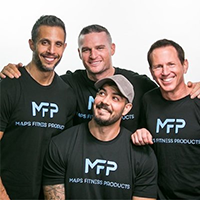
Trusted by scientists, doctors, and everyday fitness folk alike.








Frequently Asked Questions
+References
While artificial sweeteners may not be as dangerous as some people claim, studies suggest that regular consumption of these chemicals may indeed be harmful to our health.
That’s why we use natural sweeteners like stevia, allulose, and monk fruit instead, which are scientifically shown to be safe and can confer several health benefits, including weight management, antioxidant activity, digestive health, and more.↑
656 peer-reviewed scientific studies support Recharge’s ingredients and doses. That’s 5,248 pages of scientific research that shows Recharge works the way we say it does.↑
Recharge contains the exact ingredients, forms, and doses used in peer-reviewed scientific research demonstrating clear benefits in healthy humans. ↑
View Supplement Facts↑
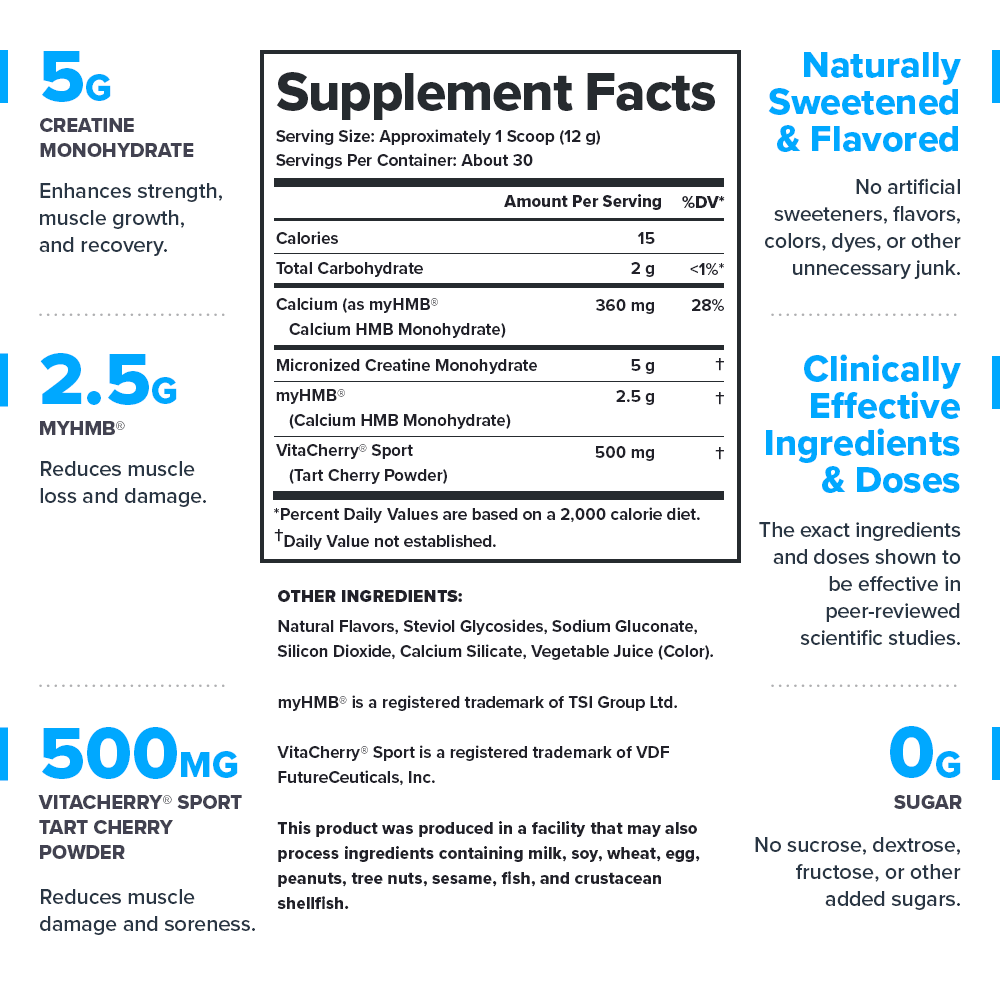
View Supplement Facts↑
Many supplement ingredients lack scientific validation in humans—we aren't large rodents, after all.
And even when ingredients have proven benefits, they're often used in doses too small to be effective.
That's why we exclusively use ingredients and doses shown to work in peer-reviewed scientific studies on healthy men and women.↑
That’s 5,248 pages of scientific research that shows Recharge works the way we say it does.↑
While artificial sweeteners, food dyes, and fillers may not be as dangerous as some people claim, studies suggest that regular consumption of these chemicals may indeed be harmful to our health.
That’s why we use naturally derived alternatives instead like stevia, allulose, monk fruit, and fruit extracts.↑
While artificial sweeteners, food dyes, and fillers may not be as dangerous as some people claim, studies suggest that regular consumption of these chemicals may indeed be harmful to our health.
That’s why we use naturally derived alternatives instead like stevia, allulose, monk fruit, and fruit extracts.↑
Did you know that some supplements contain dangerously high levels of toxins like lead, arsenic, and cadmium?
That’s why we rigorously test every batch and guarantee our products provide exactly what the labels claim—and nothing else.
With Legion, you can be certain that what you're putting into your body is truly safe and effective.
↑
Did you know that some supplements contain dangerously high levels of toxins like lead, arsenic, and cadmium?
That’s why we rigorously test every batch and guarantee our products provide exactly what the labels claim—and nothing else.
With Legion, you can be certain that what you're putting into your body is truly safe and effective.
↑
Labdoor™ is a leader in independent analysis of supplements to assess their quality and safety.
They directly and anonymously purchase products from retail channels, utilize FDA-registered laboratories to rigorously test for label accuracy and purity, and then transparently publish these comprehensive results and certifications for consumer scrutiny.↑
Labdoor™ is a leader in independent analysis of supplements to assess their quality and safety.
They directly and anonymously purchase products from retail channels, utilize FDA-registered laboratories to rigorously test for label accuracy and purity, and then transparently publish these comprehensive results and certifications for consumer scrutiny.↑
Branch JD. Int J Sport Nutr Exerc Metab. 2003 Jun;13(2):198-226. doi: 10.1123/ijsnem.13.2.198. ↑
Hoffman J, Ratamess N, Kang J, Mangine G, Faigenbaum A, Stout J. Int J Sport Nutr Exerc Metab. 2006 Aug;16(4):430-46. doi: 10.1123/ijsnem.16.4.430. ↑
Law YL, Ong WS, GillianYap TL, Lim SC, Von Chia E. J Strength Cond Res. 2009 May;23(3):906-14. doi: 10.1519/JSC.0b013e3181a06c59. ↑
Rawson ES, Volek JS. J Strength Cond Res. 2003 Nov;17(4):822-31. doi: 10.1519/1533-4287(2003)017<0822:eocsar>2.0.co;2. ↑
Eckerson JM, Stout JR, Moore GA, Stone NJ, Iwan KA, Gebauer AN, Ginsberg R. J Strength Cond Res. 2005 Nov;19(4):756-63. doi: 10.1519/R-16924.1. ↑
Mero AA, Keskinen KL, Malvela MT, Sallinen JM. J Strength Cond Res. 2004 May;18(2):306-10. doi: 10.1519/R-12912.1. ↑
Eckerson JM, Stout JR, Moore GA, Stone NJ, Nishimura K, Tamura K. J Strength Cond Res. 2004 Feb;18(1):168-73. doi: 10.1519/1533-4287(2004)018<0168:eotafd>2.0.co;2. ↑
Koçak S, Karli U. J Sports Med Phys Fitness. 2003 Dec;43(4):488-92. ↑
Kendall KL, Smith AE, Graef JL, Fukuda DH, Moon JR, Beck TW, Cramer JT, Stout JR. J Strength Cond Res. 2009 Sep;23(6):1663-9. doi: 10.1519/JSC.0b013e3181b1fd1f. ↑
Fukuda DH, Smith AE, Kendall KL, Dwyer TR, Kerksick CM, Beck TW, Cramer JT, Stout JR. J Strength Cond Res. 2010 Jul;24(7):1826-33. doi: 10.1519/JSC.0b013e3181e06d0e. ↑
Bassit RA, Pinheiro CH, Vitzel KF, Sproesser AJ, Silveira LR, Curi R. Eur J Appl Physiol. 2010 Mar;108(5):945-55. doi: 10.1007/s00421-009-1305-1. Epub 2009 Dec 3. ↑
Santos RV, Bassit RA, Caperuto EC, Costa Rosa LF. Life Sci. 2004 Sep 3;75(16):1917-24. doi: 10.1016/j.lfs.2003.11.036. ↑
Nelson AG, Arnall DA, Kokkonen J, Day R, Evans J. Med Sci Sports Exerc. 2001 Jul;33(7):1096-100. doi: 10.1097/00005768-200107000-00005. ↑
Rockwell JA, Rankin JW, Toderico B. Med Sci Sports Exerc. 2001 Jan;33(1):61-8. doi: 10.1097/00005768-200101000-00011. ↑
Poortmans JR, Francaux M. Sports Med. 2000 Sep;30(3):155-70. doi: 10.2165/00007256-200030030-00002. ↑
Terjung RL, Clarkson P, Eichner ER, Greenhaff PL, Hespel PJ, Israel RG, Kraemer WJ, Meyer RA, Spriet LL, Tarnopolsky MA, Wagenmakers AJ, Williams MH. Med Sci Sports Exerc. 2000 Mar;32(3):706-17. doi: 10.1097/00005768-200003000-00024. ↑
Yoshizumi WM, Tsourounis C. J Herb Pharmacother. 2004;4(1):1-7. ↑
Bizzarini E, De Angelis L. J Sports Med Phys Fitness. 2004 Dec;44(4):411-6. ↑
Groeneveld GJ, Beijer C, Veldink JH, Kalmijn S, Wokke JH, van den Berg LH. Int J Sports Med. 2005 May;26(4):307-13. doi: 10.1055/s-2004-817917. ↑
Bemben MG, Lamont HS. Sports Med. 2005;35(2):107-25. doi: 10.2165/00007256-200535020-00002. ↑
Kimball SR, Jefferson LS. J Nutr. 2006;136(1 Suppl):227S-31S. doi:10.1093/jn/136.1.227S. ↑
Kaczka P, Michalczyk MM, Jastrzab R, Gawelczyk M, Kubicka K. J Hum Kinet. 2019;68:211-222. Published 2019 Aug 21. doi:10.2478/hukin-2019-0070. ↑
Engelen MPKJ, Deutz NEP. Curr Opin Clin Nutr Metab Care. 2018;21(3):207-213. doi:10.1097/MCO.0000000000000459. ↑
Nissen S, Sharp R, Ray M, et al. J Appl Physiol (1985). 1996;81(5):2095-2104. doi:10.1152/jappl.1996.81.5.2095. ↑
Wilkinson DJ, Hossain T, Hill DS, et al. J Physiol. 2013;591(11):2911-2923. doi:10.1113/jphysiol.2013.253203. ↑
Cruz-Jentoft AJ, Landi F, Schneider SM, et al. Age Ageing. 2014;43(6):748-759. doi:10.1093/ageing/afu115. ↑
Rathmacher JA, Pitchford LM, Stout JR, et al. J Int Soc Sports Nutr. 2025;22(1):2434734. doi:10.1080/15502783.2024.2434734. ↑
Knitter AE, Panton L, Rathmacher JA, Petersen A, Sharp R. J Appl Physiol (1985). 2000;89(4):1340-1344. doi:10.1152/jappl.2000.89.4.1340. ↑
Panton LB, Rathmacher JA, Baier S, Nissen S. Nutrition. 2000;16(9):734-739. doi:10.1016/S0899-9007(00)00376-2. ↑
van Someren KA, Edwards AJ, Howatson G. Int J Sport Nutr Exerc Metab. 2005;15(4):413-424. doi:10.1123/ijsnem.15.4.413. ↑
Nunan D, Howatson G, van Someren KA. J Strength Cond Res. 2010;24(2):531-537. doi:10.1519/JSC.0b013e3181c4d370. ↑
Wilson JM, Lowery RP, Joy JM, et al. Br J Nutr. 2013;110(3):538-544. doi:10.1017/S0007114512005387. ↑
Engelen MPKJ, Deutz NEP. Curr Opin Clin Nutr Metab Care. 2018;21(3):207-213. doi:10.1097/MCO.0000000000000459. ↑
Tinsley GM, Moore ML, Graybeal AJ, et al. Am J Clin Nutr. 2019;110(3):628-640. doi:10.1093/ajcn/nqz126. ↑
Stout JR, Fukuda DH, Kendall KL, Smith-Ryan AE, Moon JR, Hoffman JR. Exp Gerontol. 2015;64:33-34. doi:10.1016/j.exger.2015.02.012. ↑
Levers K, Dalton R, Galvan E, et al. J Int Soc Sports Nutr. 2015;12(1):41. doi:10.1186/s12970-015-0102-y. ↑
Hooper DR, Orange T, Gruber MT, et al. J Int Soc Sports Nutr. 2021;18(1):47. doi:10.1186/s12970-021-00449-x. ↑
Levers K, Dalton R, Galvan E, et al. J Int Soc Sports Nutr. 2016;13(1):22. doi:10.1186/s12970-016-0133-z. ↑
Hill JA, Keane KM, Quinlan R, Howatson G. Int J Sport Nutr Exerc Metab. 2021;31(2):154-167. doi:10.1123/ijsnem.2020-0145. ↑
Levers K, Dalton R, Galvan E, et al. J Int Soc Sports Nutr. 2015;12(1):41. doi:10.1186/s12970-015-0102-y. ↑
Hill JA, Keane KM, Quinlan R, Howatson G. Int J Sport Nutr Exerc Metab. 2021;31(2):154-167. doi:10.1123/ijsnem.2020-0145. ↑
Hooper DR, Orange T, Gruber MT, Darakjian AA, Conway KL, Hausenblas HA. J Int Soc Sports Nutr. 2021;18(1):47. doi:10.1186/s12970-021-00449-x. ↑
Abou-Donia MB, El-Masry EM, Abdel-Rahman AA, McLendon RE, Schiffman SS. J Toxicol Environ Health A. 2008;71(21):1415-1429. doi:10.1080/15287390802328630. ↑
Qin X. Can J Gastroenterol. 2011;25(9):511. doi:10.1155/2011/451036. ↑
Schernhammer ES, Bertrand KA, Birmann BM, Sampson L, Willett WC, Feskanich D. [published correction appears in Am J Clin Nutr. 2013 Aug;98(2):512]. Am J Clin Nutr. 2012;96(6):1419-1428. doi:10.3945/ajcn.111.030833. ↑
Fowler SP, Williams K, Resendez RG, Hunt KJ, Hazuda HP, Stern MP. Obesity (Silver Spring). 2008;16(8):1894-1900. doi:10.1038/oby.2008.284. ↑
Sylvetsky A, Rother KI, Brown R. Pediatr Clin North Am. 2011;58(6):1467-xi. doi:10.1016/j.pcl.2011.09.007. ↑
Yang Q. Yale J Biol Med. 2010;83(2):101-108. ↑
Yadav SK, Guleria P. Crit Rev Food Sci Nutr. 2012;52(11):988-998. doi:10.1080/10408398.2010.519447. ↑
Shivanna N, Naika M, Khanum F, Kaul VK. J Diabetes Complications. 2013;27(2):103-113. doi:10.1016/j.jdiacomp.2012.10.001. ↑
World Health Organization. WHO Press; 2006. Available at: http://whqlibdoc.who.int/publications/2006/9241660546_eng.pdf. Accessed January 24, 2019. ↑
Ozbayer C, Kurt H, Kalender S, et al. J Med Food. 2011;14(10):1215-1222. doi:10.1089/jmf.2010.0280. ↑
Feng J, Cerniglia CE, Chen H. Front Biosci (Elite Ed). 2012;4(2):568-586. Published 2012 Jan 1. doi:10.2741/e400. ↑
Kanarek RB. Nutr Rev. 2011;69(7):385-391. doi:10.1111/j.1753-4887.2011.00385.x. ↑
Nigg JT, Lewis K, Edinger T, Falk M. J Am Acad Child Adolesc Psychiatry. 2012;51(1):86-97.e8. doi:10.1016/j.jaac.2011.10.015. ↑
McCann D, Barrett A, Cooper A, et al. [published correction appears in Lancet. 2007 Nov 3;370(9598):1542]. Lancet. 2007;370(9598):1560-1567. doi:10.1016/S0140-6736(07)61306-3. ↑
Gao Y, Li C, Shen J, Yin H, An X, Jin H. J Food Sci. 2011;76(6):T125-T129. doi:10.1111/j.1750-3841.2011.02267.x. ↑
Labdoor™ is a leader in independent analysis of supplements to assess their quality and safety.
They directly and anonymously purchase products from retail channels, utilize FDA-registered laboratories to rigorously test for label accuracy and purity, and then transparently publish these comprehensive results and certifications for consumer scrutiny. ↑