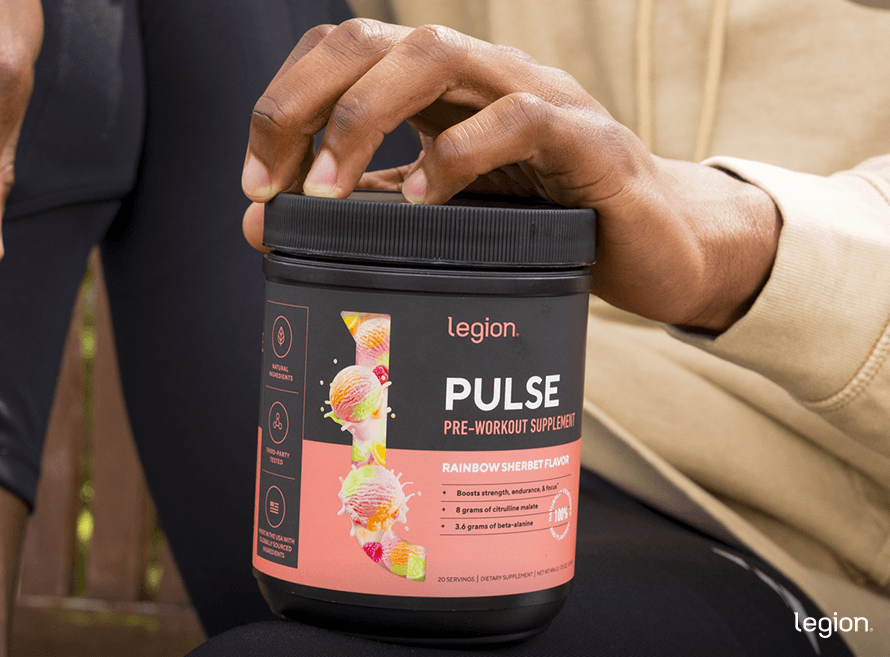
If you’ve never used pre-workout before, you might wonder whether it contains calories—and whether that should factor into your decision to use it.
If it does contain calories, do they count toward your daily intake? Could they affect fat loss? And does taking pre-workout break a fast?
These are common concerns, especially if you track your diet closely or want to remain fasted.
In this article, you’ll learn whether pre-workout contains calories, how many it typically has, and whether those calories actually matter.
Key Takeaways
- Most pre-workout supplements contain a small number of calories, but usually not enough to matter.
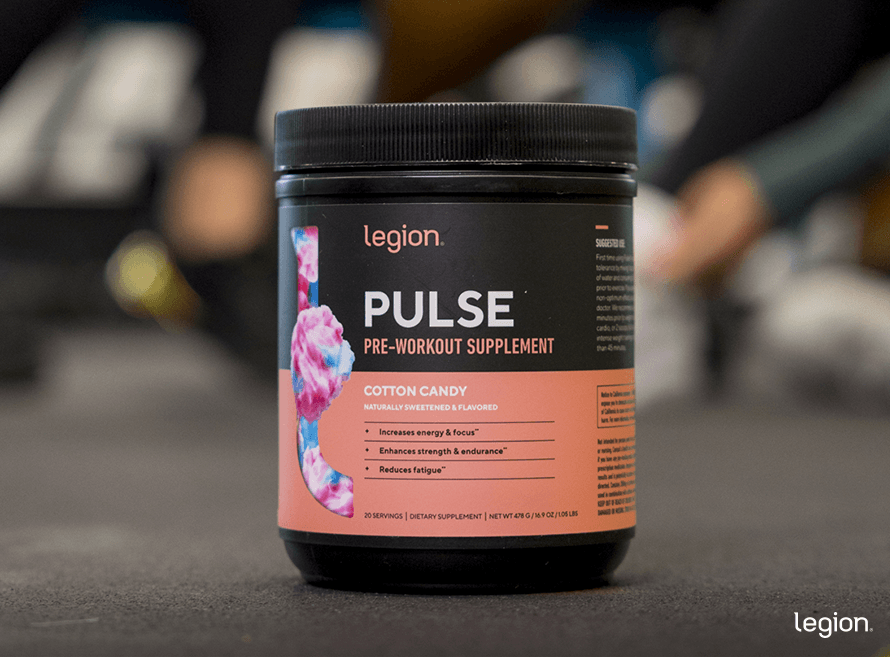
- A typical serving contains about 5–25 calories, depending on the formula. For example, Pulse contains 5 calories per serving.
- These calories come from small amounts of ingredients like carbs or flavorings, not from ingredients like caffeine or beta-alanine.
- Pre-workout calories rarely affect fat loss, but you should still track them if you’re dieting strictly.
- Pre-workout technically breaks a fast, but in most cases, the impact is negligible.
Table of Contents
+
Does Pre Workout Have Calories?
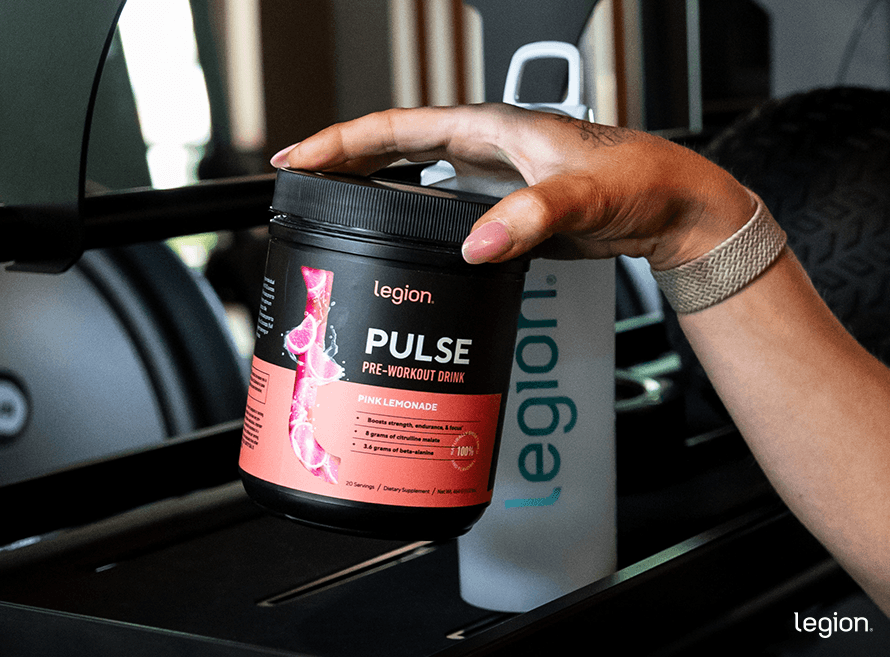
Yes—most pre-workout supplements contain calories. But in most cases, the number of calories in pre-workout is very small.
Pre-workouts aren’t meant to provide meaningful energy like a meal or snack. They’re meant to improve performance—things like energy, focus, and endurance. And it just so happens that the ingredients that do this aren’t meaningful sources of calories.
Because of that, most pre-workouts fall somewhere between “low calorie” and “effectively zero calorie.” In practice, supplements labeled either way contribute very little to your daily energy intake.
So while the technically correct answer is yes, the more useful takeaway is this:
Pre-workout usually contains calories—but not enough to matter in most situations.
How Many Calories Are in Pre-Workout?
Most pre-workout supplements contain between 5 and 25 calories per serving, though some contain slightly more or less.
For example, Pulse contains 5 calories per serving.
That variation comes down to the formula, which we’ll cover next.
The key point is that even at the higher end, pre-workout contains very few calories relative to your daily intake.
What Ingredients Add Calories to Pre-Workout?
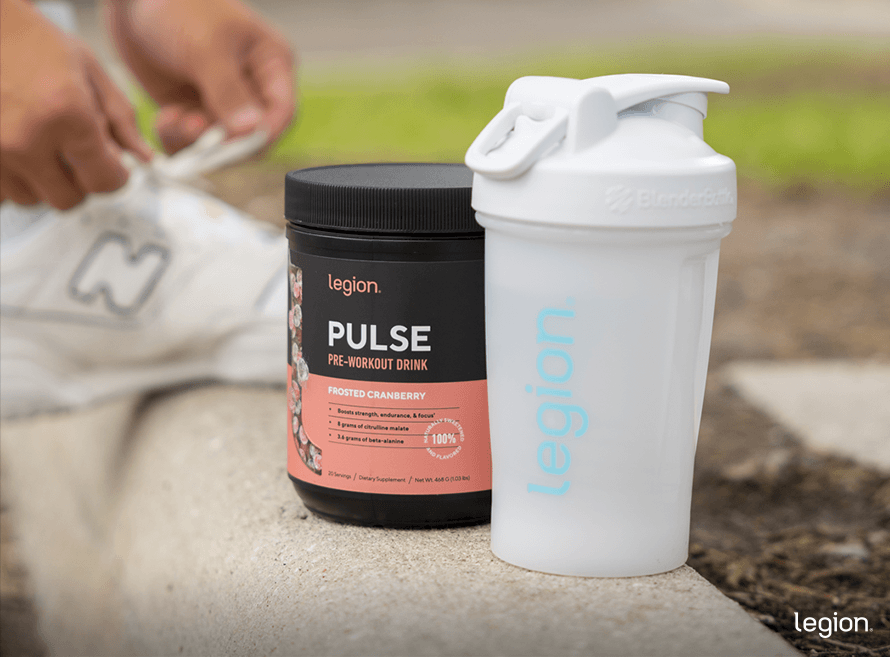
The number of calories in pre-workout varies mainly because of the ingredients it contains.
Most ingredients in pre-workout—like caffeine, beta-alanine, and betaine—contain no meaningful calories.
But a few can add small amounts, depending on the formula.
The main ones are amino acids (like BCAAs), small amounts of carbohydrates (such as dextrose or maltodextrin), and certain flavorings or sweeteners.
Even then, the amounts used are usually small, which is why the total calorie count stays low in most products.
Do Pre-Workout Calories Matter for Weight Loss?
In most cases, no—pre-workout calories don’t meaningfully affect weight loss. That’s because the number of calories in pre-workout is so small that it has little impact on your overall calorie intake.
Weight loss is primarily driven by your total daily calorie balance, and the handful of calories in a typical pre-workout is unlikely to move that needle.
That said, you should still track calories from pre-workout when cutting.
While pre-workout on its own probably isn’t enough to undermine fat loss, if you give too many low-calorie foods a “pass,” those small amounts can add up and slow your progress.
If you’re interested in a pre-workout supplement that supports fat loss more directly, check out our guide to thermogenic pre-workouts:
What Is a Thermogenic Pre-Workout & Should You Use One?
Does Pre-Workout Break a Fast?
Technically, yes—any pre-workout containing calories breaks a fast.
But in practice, whether that matters depends on your goal.
If you’re fasting for fat loss, the small number of calories in most pre-workouts is unlikely to make a meaningful difference. For all practical purposes, you can still treat your workout as “fasted.”
On the other hand, if your goal is to maintain a strict zero-calorie fast, then pre-workout wouldn’t fit.
If you want a deeper breakdown of how pre-workout affects fasting—and when it matters—check out this guide:
Does Pre-Workout Break a Fast?
The Bottom Line on Does Pre-Workout Have Calories
Most pre-workouts contain a small number of calories—usually around 5–25 per serving—but not enough to meaningfully affect fat loss or performance.
They technically break a fast, but in most cases, the impact is negligible unless you’re aiming for a strict zero-calorie fast.
FAQ #1: Does pre-workout count as calories?
Yes—calories from pre-workout count the same as calories from any other food or drink and should be included in your daily total.
FAQ #2: Is pre-workout okay for weight loss?
Yes—because pre-workout contains very few calories, it’s unlikely to affect fat loss as long as you maintain a calorie deficit.
FAQ #3: Are there zero-calorie pre-workouts?
These usually come from trace amounts of carbohydrate or other minor components in the formula, not the main performance ingredients, which don’t meaningfully contribute calories.
FAQ #4: How many calories are in pre-workout?
Most pre-workouts contain between 5 and 25 calories per serving, though the exact number depends on the formula.
Want More Content Like This?
Check out these articles: