
If you’ve spent any time in fitness circles in recent years, you’ve probably heard the term maingaining.
The idea sounds perfect: build muscle without gaining fat. Stay lean year-round. Skip the uncomfortable bulk and the miserable cut.
Who wouldn’t want that?
The problem is that maingaining is often oversold.
In some situations, it works. In many others, it doesn’t—or at least not in the way people think.
In this article, you’ll learn what maingaining means, when it works, and who should (and shouldn’t) do it.
Key Takeaways
- Maingaining means eating about the same number of calories you burn each day so you can try to build muscle without gaining fat.
- It works best if you’re new to lifting or coming back after time off and still have some body fat to lose. In that situation, your body can build muscle without needing extra calories.
- For most people who’ve been training for a while, maingaining leads to very slow or hard-to-notice progress.
- If you want to gain muscle at a steady, visible pace, eating slightly more calories than you burn is usually more effective.
- Many people who think they’re maingaining successfully are actually in a small calorie surplus, which is really just slow bulking.
Table of Contents
+
What Does It Mean to Main Gain?
Maingaining (or “gaintaining”) refers to a style of dieting where you eat at “maintenance calories” (the number of calories your body burns each day, also known as your TDEE) with the goal of slowly gaining muscle without gaining fat.
It differs from traditional bulking, where you eat in a calorie surplus to maximize muscle growth, knowing you’ll gain some fat along the way.
Does Maingaining Work?
Maingaining can work—but only in a narrow set of circumstances.
It works best if you’re new to weightlifting or returning after a long layoff, have some fat to lose, and care more about building muscle than fat loss. In that situation, you can gain meaningful muscle while eating around maintenance calories.
If you’re in the same situation but want to prioritize fat loss instead, maingaining isn’t the right approach—”recomping” is. This means eating in a calorie deficit to speed up fat loss, though it usually comes at the cost of slower muscle gain.
Outside of those scenarios, maingaining becomes much less reliable.
Muscle growth requires energy. The leaner you are and the longer you’ve been training, the harder it becomes to build new muscle without regularly providing your body with extra calories. That’s why many people “maingain” for months—or even years—stay lean, but see very little visible progress.
You’ll sometimes hear stories of people who claim they built significant muscle while maingaining, but there’s usually a simple explanation: they weren’t truly eating at maintenance.
More likely, they were in a small calorie surplus. Over time, even a small surplus of 5% can meaningfully support muscle growth while keeping fat gain relatively low.
In other words, maingaining tends to work best when it quietly turns into very slow bulking.
And that highlights maingaining’s biggest limitation: if you want to gain a significant amount of muscle—say 20 pounds—you have to eat enough to support that. You can’t maingain your way from 180 pounds to 200 pounds without spending time in a calorie surplus.
Maingaining vs. Bulking: Which Is Better for Muscle Gain?
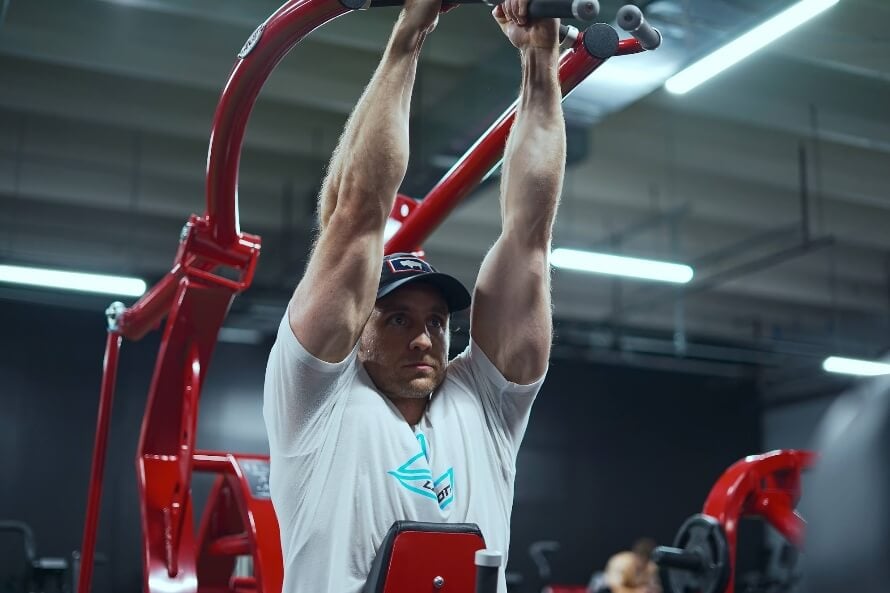
If your goal is to build muscle as fast as possible, bulking is better than maingaining.
Eating in a calorie surplus gives your body more energy to build muscle, recover, and get stronger, which is why people typically gain size faster when bulking than when eating at maintenance.
Maingaining prioritizes staying lean, but because calorie intake is lower, muscle growth is usually slower and less consistent—especially once you’re past the beginner stage.
Who Is Maingaining Best For?
If you’re new to weightlifting, have some fat to lose, but are more motivated to build muscle than lose fat, maingaining can be a good option.
Maingaining can also make sense for people who aren’t trying to dramatically change their physique. That is, if you’re happy with how you look, want to keep your body fat about the same, and are comfortable making very slow progress, it can be a reasonable approach.
Who Shouldn’t Maingain
Maingaining usually isn’t a good idea if you want to gain significant muscle and are already lean (at or below 10% body fat as a man, or 20% as a woman). In this situation, eating in a clear surplus is usually necessary to make meaningful progress.
It also tends to work poorly if you’ve been training seriously for more than a couple of years. The more advanced you become, the harder it is to build new muscle, so you need to do everything you can to support growth—and that includes giving your body plenty of calories.
And if you want to gain muscle as quickly as possible, maingaining shouldn’t even be in the conversation. It’s too slow and too easy to stall. Bulk instead.
What to Do Instead of Maingaining
If you’re past the beginner stage, there are better ways to build muscle without gaining much fat than trying to maingain.
If you’re an intermediate lifter, the most effective approach is lean bulking with short mini-cuts. You spend most of your time in a small calorie surplus to support growth, then briefly diet to remove any fat you gained. This lets you make steady progress without drifting too far from your ideal physique.
If you want to see what this looks like in real life, check out the results from clients in Legion’s body transformation coaching program below. They followed this same basic approach—and their progress shows how effective it can be:
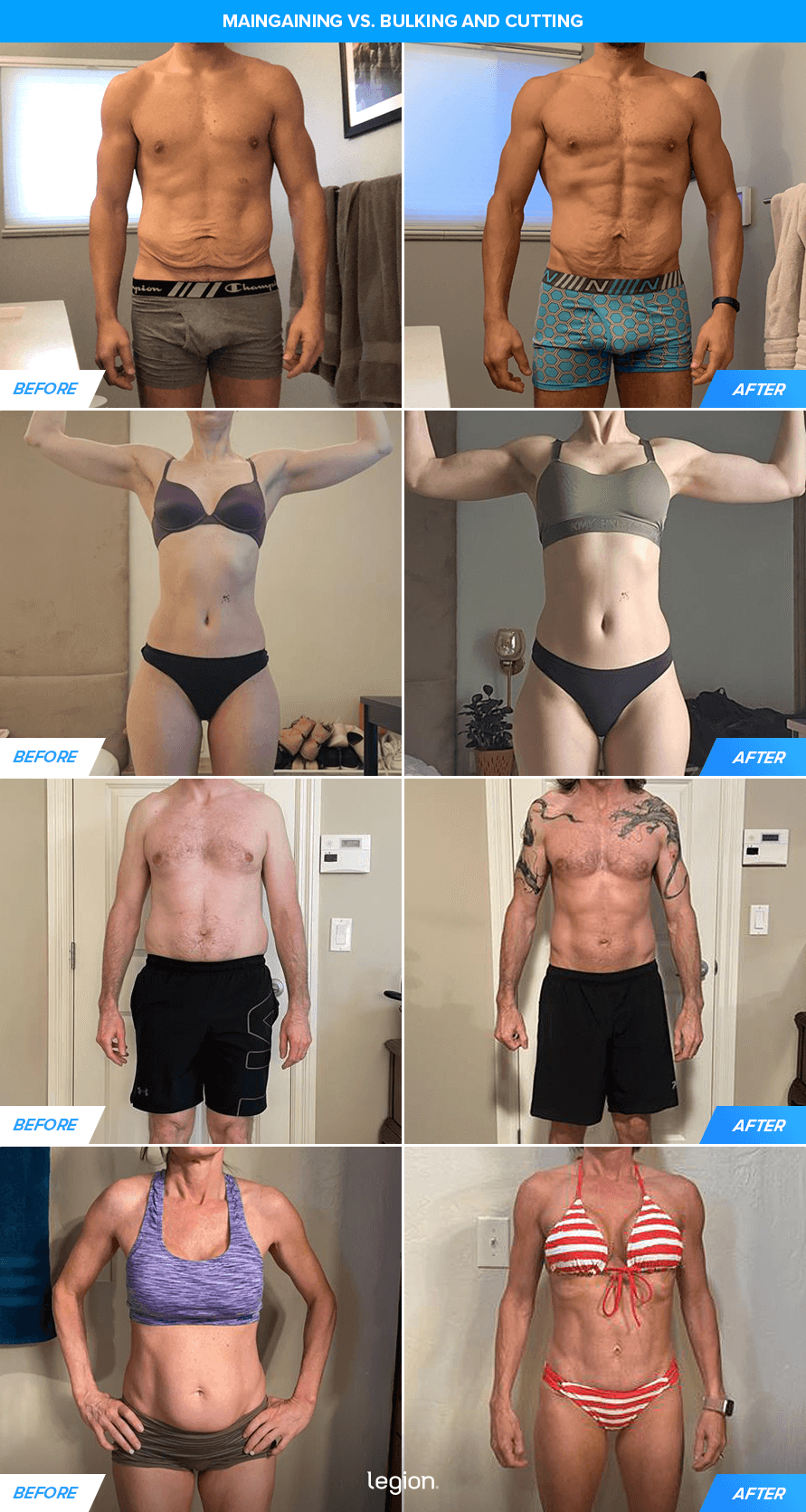
If you’re more advanced, maingaining and lean bulking start to look almost identical. Muscle growth is slow at this stage no matter what you do, so the most effective strategy is usually a small surplus—around 5–10% above maintenance—rather than trying to stay exactly at maintenance.
And if you’re very advanced and close to your natural muscle limit, you can also use calorie cycling. This means eating slightly above maintenance on training days and slightly below on rest days.
Over time, this gives you the “stay lean while progressing” effect people want from maingaining—just in a way that actually supports muscle growth.
The Bottom Line on Maingaining
Maingaining sounds ideal—gain muscle without gaining fat—but it only works well in limited situations. If you’re new to weightlifting or returning after time off, you can build muscle at maintenance for a while. For everyone else, progress is usually slow and inconsistent because muscle growth requires extra energy.
That’s why most gymgoers who want noticeable results do better with a small calorie surplus.
In reality, what many people call “maingaining” is just very slow bulking. If your goal is meaningful muscle growth, you’ll likely need to spend at least some time eating above maintenance to support it.
FAQ #1: What does it mean to main gain?
Maingaining means trying to build muscle while eating around your “maintenance calories” (the amount needed to keep your weight stable). The goal is to gain muscle slowly without gaining noticeable fat.
FAQ #2: Can you gain muscle while maingaining?
Yes, you can gain muscle while maingaining, but this usually only happens if you’re new to weightlifting or coming back after time off and have some body fat to spare. In those cases, your body can draw on stored energy to help support muscle growth.
Once you’re leaner or more experienced, though, building muscle without a calorie surplus becomes much less reliable. In many cases, people who think they’re gaining muscle at maintenance are actually in a small surplus without realizing it.
FAQ #3: Is maingaining better than bulking?
Maingaining isn’t better or worse than bulking—it depends on your goal. If you want to build muscle as fast as possible, bulking is usually more effective because a calorie surplus supports growth. Maingaining is better for people who want to stay lean and are willing to accept slower, less consistent progress.
Want More Content Like This?
Check out these article: