Muffin top is one of the most common body-composition frustrations people have.
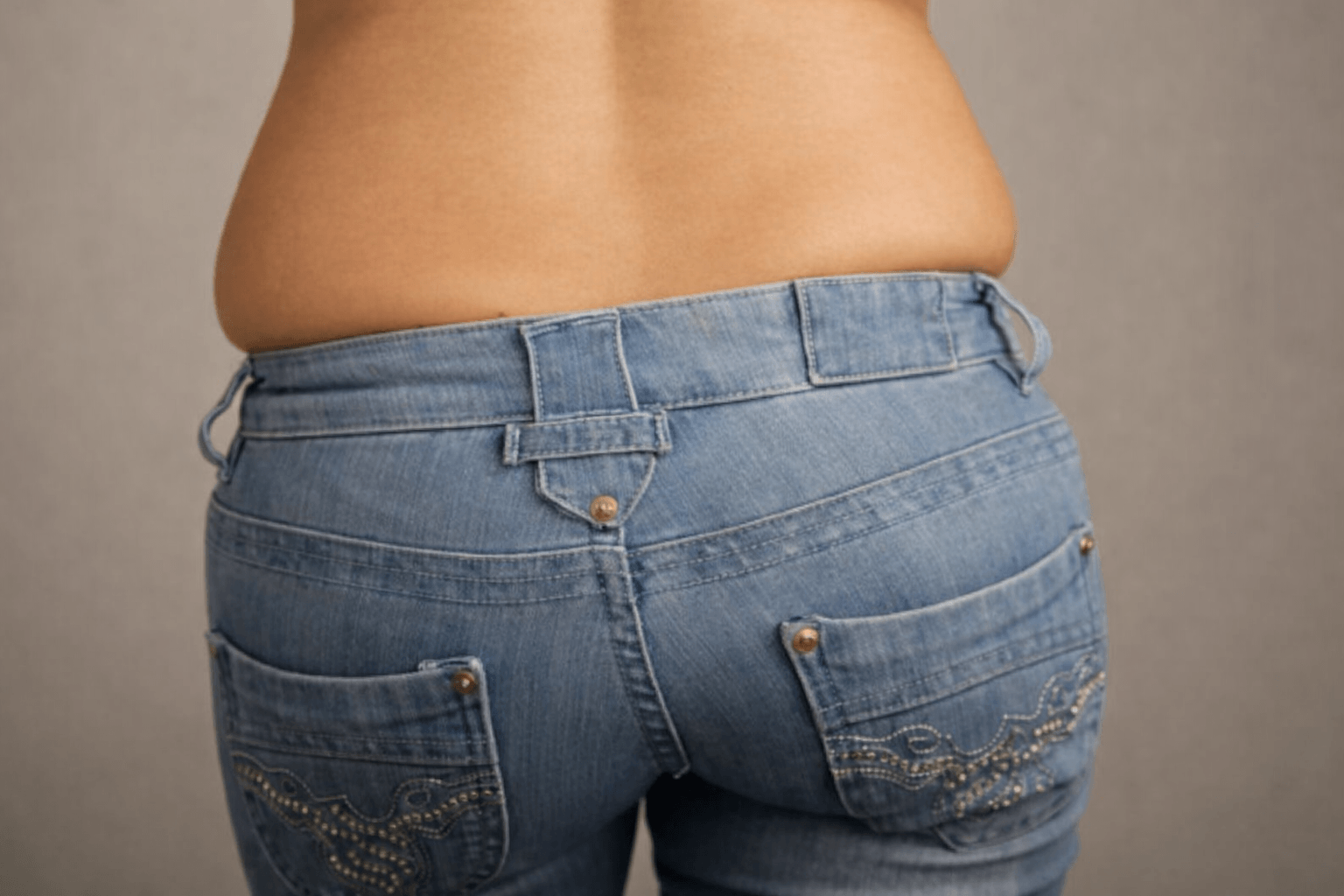
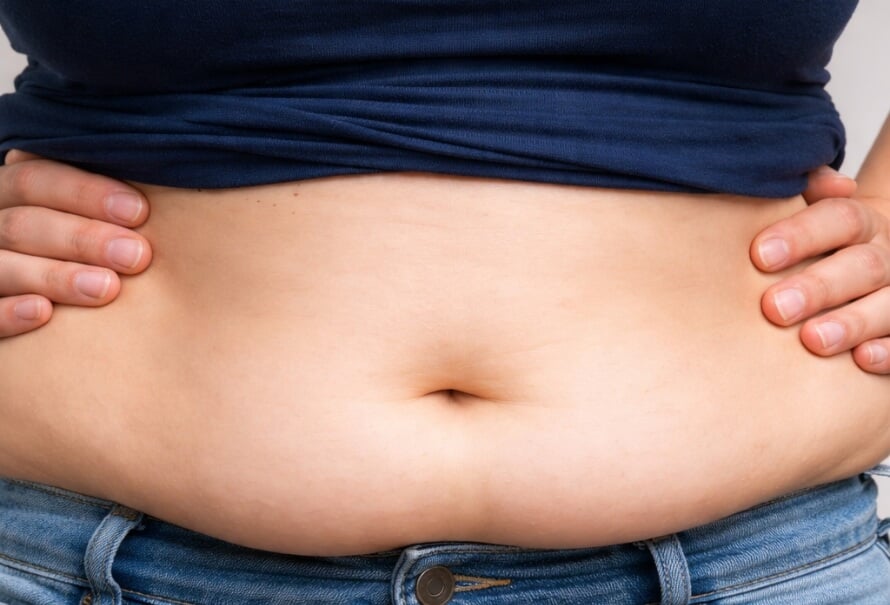
It refers to the fat around the lower stomach and sides of your waist that spills over the waistband of your pants.
Because of where it sits, many people assume the solution is to do more core exercises—side bends, oblique twists, or endless ab workouts.
Unfortunately, it doesn’t work that way.
In this article, you’ll learn why “targeted” muffin top exercises don’t work—and what actually helps you lose it.
Key Takeaways
- You can’t reduce muffin top fat by training your waist. When you lose fat, your body burns it from all over—not just the area you exercise.
- The best muffin top exercises are compound movements like squats, deadlifts, push-ups, rows, and shoulder presses that train multiple muscle groups and increase calorie burn.
- Training your whole body with progressively heavier weights helps you build muscle, boost your metabolism, and reduce overall body fat over time.
- Combining strength training, sensible dieting, and moderate cardio is the most reliable way to shrink a muffin top and improve your overall body composition.
- You don’t need supplements to get rid of muffin top, but caffeine, yohimbine, and a fat burner can accelerate your progress.
Table of Contents
+
Can You Target Muffin Top Fat with Exercise?
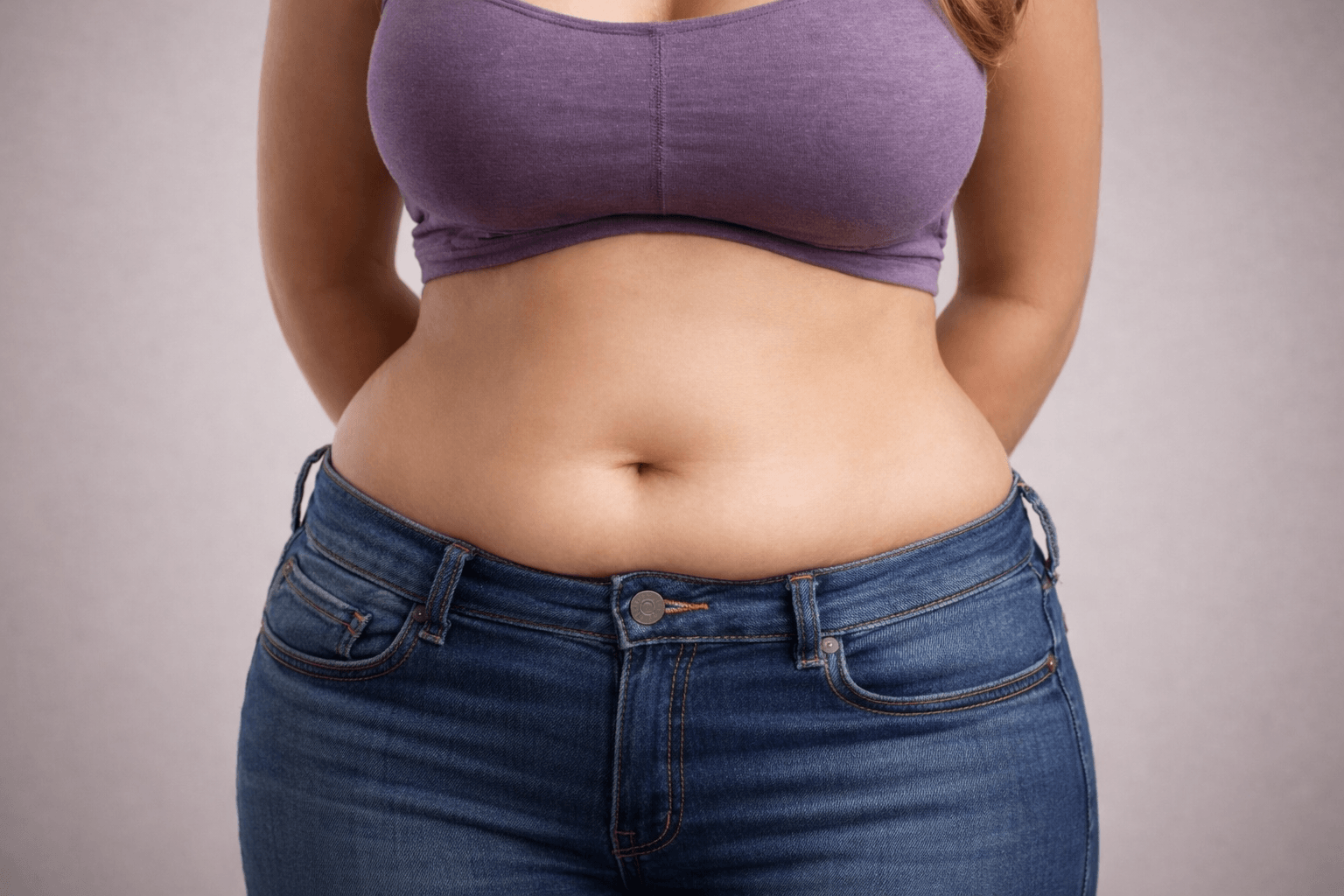
No, you can’t target muffin top fat with exercise—at least not directly.
Research shows you can’t burn fat from one area by training the muscles underneath it (“spot reduction”). When you lose fat, your body pulls it from all over, not just the area you’re training.
In fact, trying to get rid of a muffin top by doing endless side bends, twists, or planks can sometimes make matters worse. These exercises train the obliques, the muscles on the sides of your waist. If those muscles grow while the fat on top stays the same, your waist can actually look thicker.
So what should you do instead?
Two things:
- Do exercises that burn the most calories: These increase your energy expenditure, which helps create the calorie deficit needed to lower your overall body fat percentage.
- Build full-body muscle: A muscular body burns more calories resting and moving than a similarly-sized fat one. Muscle also supports good metabolic health, which is vital for maintaining a healthy body fat percentage, and it even alters the expression of certain genes that accelerate fat burning.
In other words, the best way to lose a muffin top isn’t to train your waist more—it’s to train your whole body effectively while reducing your overall body fat.
Let’s look at what this means in practice.
What Are the Best Muffin Top Exercises?
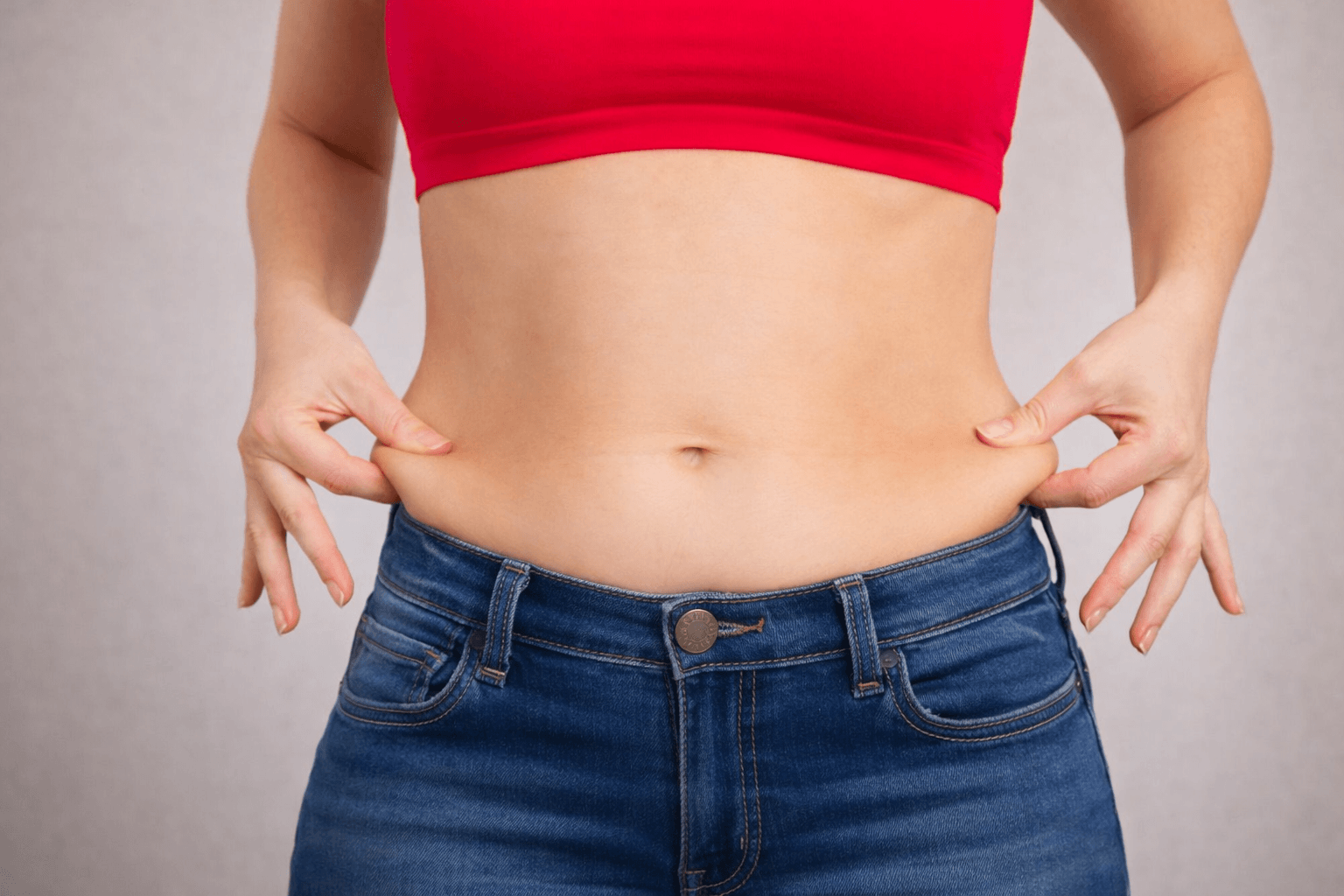
As we’ve already seen, the best muffin top exercises aren’t the ones that make your sides burn the most.
They’re the ones that help you lose overall body fat and build muscle throughout your body.
To do that, focus on three things:
- Compound exercises: Compound exercise, such as the squat, deadlift, push-up, and shoulder press, train multiple muscle groups at once. Studies show that compound exercises produce the greatest increases in metabolic rate, muscle mass, and strength, which makes them some of the most effective for improving your body composition.
- Heavy weightlifting: Lifting heavy weights is the most practical and reliable way to get stronger. And because getting stronger is one of the main drivers of long-term muscle growth, lifting heavier weights helps you build the muscle needed to improve your metabolism and lose fat more effectively.
- Progressive overload: The best way to build muscle and, thus, maximize the fat-burning effects of weightlifting is to strive to add weight or reps to every exercise in every workout. This is known as progressive overload, and it’s the single most important driver of muscle growth.
And if you want to see how well this approach works, check out the before-and-after photos below. With the help of Legion’s body transformation coaching service, all these women shrunk their muffin top in a matter of months by applying these principles:
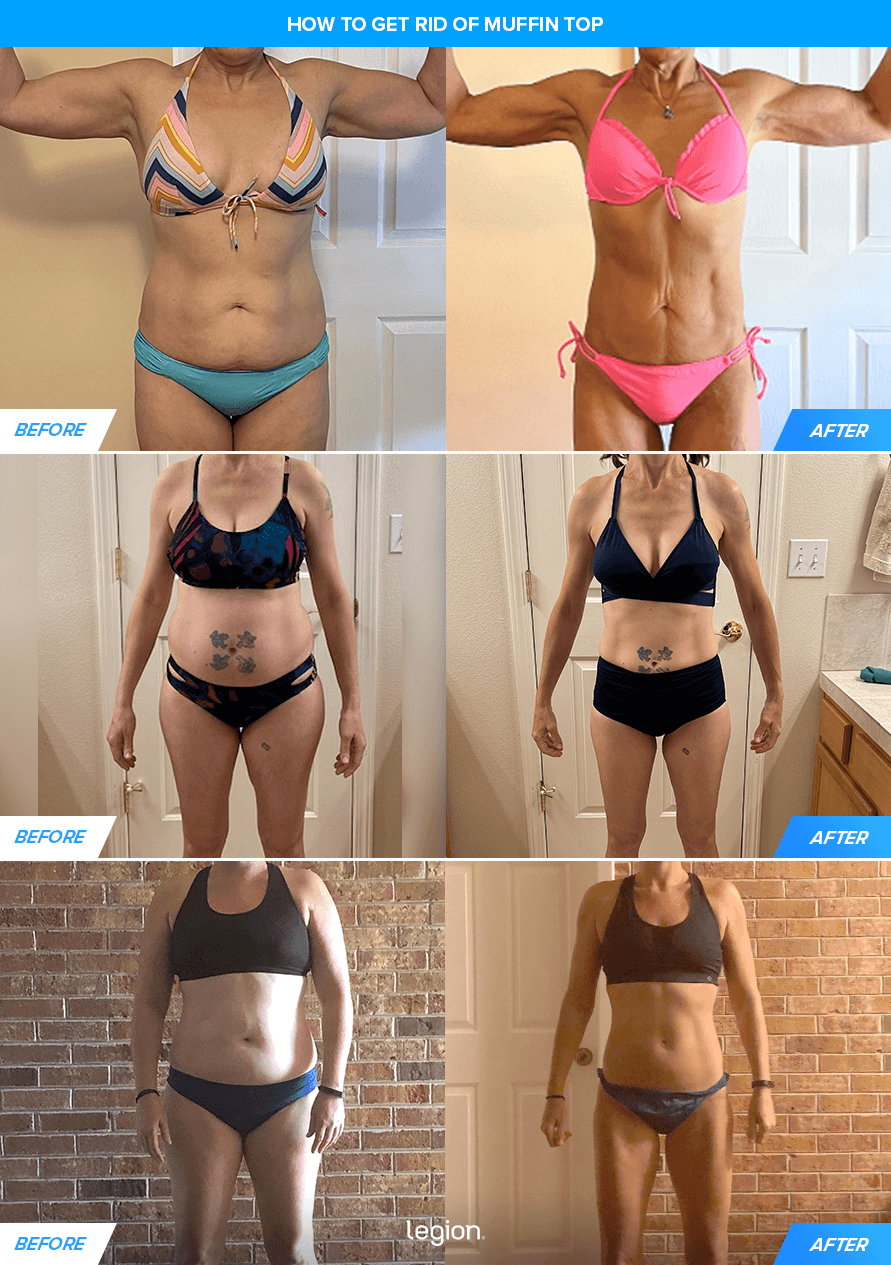
With all that in mind, let’s look at specific exercises.
The 7 Best Exercises for Getting Rid of Muffin Top
The following exercises are compound movements that train large muscle groups, increase calorie burn, and help you build a strong, balanced physique.
That’s why they’re some of the most effective exercises you can do to lose a muffin top.
1. Goblet Squat
The goblet squat trains several large muscle groups—especially your quads, glutes, and core—which helps you build muscle and burn more calories. That makes it one of the most effective exercises for lowering overall body fat and getting rid of a muffin top.
How to:
- Hold a dumbbell vertically against your chest with both hands and stand with your feet slightly wider than shoulder-width apart.
- Brace your core and begin the movement by pushing your hips back and bending your knees.
- Lower your body until your thighs are roughly parallel to the floor while keeping your chest upright.
- Reverse the movement and return to the starting position.
READ MORE: Goblet Squat: Form, Form, Muscles Worked, & Common Mistakes
2. Bodyweight Step-up
The bodyweight step-up trains your glutes and quads—two of the largest muscle groups in your body. Strengthening these muscles helps increase overall energy expenditure and build lower-body muscle, both of which support the fat loss needed to reduce a muffin top.
How to:
- Stand facing a sturdy bench, box, or chair with your feet about hip-width apart.
- Place one foot firmly on the bench and lean slightly forward over your front leg.
- Push through your front foot to lift your body onto the bench until both legs are straight.
- Reverse the movement and return to the starting position.
READ MORE: Weighted Step-Ups Guide: How to Do Dumbbell Step-Ups
3. Dumbbell Deadlift
The dumbbell deadlift trains several large muscle groups—including your glutes, hamstrings, and back—which helps you build muscle and increase calorie burn. Because it works so much muscle at once, it’s one of the most effective exercises for improving your overall body composition and reducing body fat.
How to:
- Stand upright holding a dumbbell in each hand with your palms facing your thighs.
- Brace your core and begin the movement by pushing your hips backward while slightly bending your knees.
- Lower the dumbbells down your legs while keeping your back flat until they reach about mid-shin height.
- Reverse the movement and return to the starting position.
READ MORE: How to Do the Dumbbell Deadlift with Proper Form
4. Push-up
The push-up strengthens several upper-body muscles, including your chest, shoulders, and triceps. Building muscle in these areas helps develop your upper body, which can make your waist appear narrower as you lose body fat.
How to:
- Start in a high plank with your hands slightly wider than shoulder-width apart and your body in a straight line from head to heels.
- Brace your core and bend your elbows to lower your chest toward the floor.
- Continue lowering until your chest is just above the floor while keeping your body rigid.
- Reverse the movement and return to the starting position.
READ MORE: How to Do the Push-up: Form, Variations, and Workouts
5. One-Arm Dumbbell Row
The one-arm dumbbell row trains several large muscles in your back, including your lats and traps. Building these muscles helps create a more athletic upper body, which can make your waist look smaller as you slim down.
How to:
- Hold a dumbbell in one hand and place the opposite hand and knee on a bench for support.
- Brace your core and let the dumbbell hang straight down beneath your shoulder.
- Pull the dumbbell toward your torso while keeping your back flat.
- Reverse the movement and return to the starting position.
READ MORE: How to Do the Bent-Over Dumbbell Row
6. Bodyweight Row
The bodyweight row trains the muscles in your upper back and arms. Strengthening these muscles helps develop your lats, which improves overall proportions and can make your waist appear smaller as you lose body fat.
How to:
- Lie under a horizontal bar set about hip height off the floor (such as a barbell in a rack or the edge of a sturdy table) and grab it with your hands slightly wider than shoulder-width apart.
- Brace your core and straighten your body so your heels stay on the floor and your chest is directly under your hands.
- Pull your chest upward while keeping your body in a straight line from head to heels.
- Reverse the movement and return to the starting position.
7. Standing Dumbbell Shoulder Press
The standing dumbbell shoulder press builds your shoulders and triceps. Developing your shoulders adds width to your upper body, which helps create a more balanced look and can make your waist appear smaller.
How to:
- Stand upright holding a dumbbell in each hand at your sides.
- Bring the dumbbells to shoulder height with your palms facing away from you.
- Press the dumbbells straight overhead until your arms are extended.
- Reverse the movement and return to the starting position.
READ MORE: How to Perfect the Seated Dumbbell Shoulder Press
How to Structure a Muffin Top Workout at Home or in the Gym
Generally speaking, full-body workouts made up of compound exercises are best for getting rid of a muffin top.
When organizing your workout, perform the most demanding exercises first while you’re still fresh. In most cases, that means starting with lower-body movements such as squats, step-ups, or deadlifts, and then moving on to upper-body presses and rows.
Structuring your workouts this way helps you train your whole body efficiently while prioritizing the exercises that deliver the greatest overall results.
Here are two example workouts that show how this might look in practice:
Muffin Top Workout #1
- Goblet Squat: 4 sets | 8–10 reps | 3–5 min rest
- Push-up: 4 sets | 8–10 reps | 2–3 min rest
- One-Arm Dumbbell Row: 4 sets | 8–10 reps | 2–3 min rest
Muffin Top Workout #2
- Bodyweight Step-up: 4 sets | 10–20 reps | 3–5 min rest
- Dumbbell Deadlift: 4 sets | 8–10 reps | 3–5 min rest
- Standing Dumbbell Shoulder Press: 4 sets | 8–10 reps | 2–3 min rest
How Often Should You Do Muffin Top Workouts?
For best results, perform the workouts above (or similar variations) 2–3 times per week on non-consecutive days. For example, you could train on Monday, Wednesday, and Friday.
A simple way to do this is to alternate between the workouts.
For example:
Week 1
- Monday: Muffin Top Workout #1
- Wednesday: Muffin Top Workout #2
- Friday: Muffin Top Workout #1
Week 2
- Monday: Muffin Top Workout #2
- Wednesday: Muffin Top Workout #1
- Friday: Muffin Top Workout #2
Week 3
- Monday: Muffin Top Workout #1
- Wednesday: Muffin Top Workout #2
- Friday: Muffin Top Workout #1
. . . and so on
How to Combine Muffin Top Workouts With Cardio or HIIT
If you want to get rid of your muffin top as quickly as possible, research shows that combining strength training and cardio is better for fat loss than doing either alone.
Here’s what I recommend:
- Do 2–3 sessions of low- or moderate-intensity cardio workouts per week (e.g., walking, swimming, or rucking) for 20–60 minutes each.
- Do one HIIT workout weekly if you enjoy it.
- Limit total cardio to 2–3 hours weekly.
- Do cardio and weightlifting on separate days if possible. If you have to do both in one day, lift first and separate the sessions by at least 6 hours.
And if you want to learn more about how to combine strength training and cardio, check out this article:
Concurrent Training: The Right Way to Combine Cardio and Strength Training
Nutrition Tips for Losing Muffin Top
Strength training builds muscle and boosts calorie burn, but your diet is what ultimately determines whether your muffin top shrinks.
The good news?
Losing fat doesn’t require extreme dieting or cutting out all your favorite foods. Here’s a simple three-step approach that makes fat loss—including muffin top fat—far more manageable:
Calories
Research shows that eating 20–25% fewer calories than you burn every day is the sweet spot for losing fat quickly without feeling miserable, losing muscle, or dealing with ravenous hunger.
This moderate deficit is big enough to produce weekly progress but small enough to maintain for several months—which is usually what’s needed for stubborn areas like a muffin top to lean out.
Macros
Regardless of your calorie goal, aim for:
- About 1 gram of protein per pound of body weight per day
- Around 20–30% of your daily calories from fats
- The rest of your daily calories from carbs
This balance supports muscle growth, performance, and overall health.
To learn more about how to calculate your macros, check out this article:
How to Calculate Your Macros for Weight Loss & Muscle Gain
Supplements
You don’t need supplements to lose a muffin top, but the right ones can make the process faster and more comfortable.
- Caffeine: 3–6 mg of caffeine per kilogram of body weight per day increases metabolic rate and helps you train harder while dieting.
- Yohimbine: 0.1–0.2 milligrams of yohimbine per kilogram of body weight before fasted training enhances fat loss.
- Fat Burner: Effective fat burners contain ingredients that boost the number of calories you burn and reduce hunger and cravings, making weight loss more straightforward.
And if you’d like to know exactly what other supplements you should take to reach any and all of your fitness goals, take the Legion Supplement Finder Quiz.
How Long Does It Take to Get Rid of a Muffin Top?
Most people notice changes in how their clothes fit, how firm their belly feels, or how they look in the mirror within 4–6 weeks of consistent training and dieting, and if you maintain your routine for 3–6 months, you’ll see big changes in how your body looks and feels.
You can’t get rid of a muffin top overnight, but the progress does come if you stick with the plan long enough.
The Bottom Line on Muffin Top Exercises
You can’t lose a muffin top by targeting your waist with endless side bends or ab exercises. The most effective approach is to reduce your overall body fat while building muscle throughout your body.
Focus on compound exercises, lift progressively heavier weights, and train your whole body consistently. Combine that with a sensible diet and some cardio, and your muffin top will gradually shrink as you get leaner.
FAQ #1: How do you lose a muffin top fast?
You can’t lose a muffin top in a few days or weeks—and any article or video claiming you can is misleading.
The fastest way to lose a muffin top is to lower your overall body fat. The most reliable way to do that is to combine strength training, moderate cardio, and a calorie-controlled diet you can stick with for several months.
FAQ #2: What exercise burns a muffin top?
No single exercise burns fat specifically from your waist. Instead, the best exercises are compound movements—like squats, deadlifts, push-ups, and rows—that train large muscle groups and increase overall calorie burn.
These exercises help lower your body fat percentage, which gradually reduces fat around your midsection.
FAQ #3: What is the best muffin top workout at home?
The best muffin top workout at home is a simple full-body routine using compound exercises. Movements like goblet squats, step-ups, push-ups, rows, and shoulder presses train major muscle groups and increase calorie burn.
Doing workouts like this two or three times per week helps build muscle and reduce overall body fat.
Want More Content Like This?
Check out these articles:
- How to Get Rid of a FUPA: Exercises, Workouts, & Diet Tips
- How to Get Rid of Lower Back Fat: Exercises, Diet, & Plan
- How to Get Rid of Bat Wings: Exercise & Diet That Works
- How to Get Rid of Armpit Fat & Bra Bulge Fast
- How to Get Rid of Man Boobs
Scientific References +
- KOSTEK, MATTHEW A., et al. “Subcutaneous Fat Alterations Resulting from an Upper-Body Resistance Training Program.” Medicine & Science in Sports & Exercise, vol. 39, no. 7, July 2007, pp. 1177–1185, https://doi.org/10.1249/mss.0b0138058a5cb.
- McClave, Stephen A., and Harvy L. Snider. “Dissecting the Energy Needs of the Body.” Current Opinion in Clinical Nutrition and Metabolic Care, vol. 4, no. 2, Mar. 2001, pp. 143–147, https://doi.org/10.1097/00075197-200103000-00011.
- Willoughby, Darryn, et al. “Body Composition Changes in Weight Loss: Strategies and Supplementation for Maintaining Lean Body Mass, a Brief Review.” Nutrients, vol. 10, no. 12, 3 Dec. 2018, p. 1876, www.ncbi.nlm.nih.gov/pmc/articles/PMC6315740/, https://doi.org/10.3390/nu10121876.
- MacKenzie-Shalders, Kristen, et al. “The Effect of Exercise Interventions on Resting Metabolic Rate: A Systematic Review and Meta-Analysis.” Journal of Sports Sciences, vol. 38, no. 14, 12 May 2020, pp. 1635–1649, https://doi.org/10.1080/02640414.2020.1754716.
- Kim, Gyuri, and Jae Hyeon Kim. “Impact of Skeletal Muscle Mass on Metabolic Health.” Endocrinology and Metabolism, vol. 35, no. 1, 2020, p. 1, https://doi.org/10.3803/enm.2020.35.1.1.
- Vechetti, Ivan J., et al. “Mechanical Overload‐Induced Muscle‐Derived Extracellular Vesicles Promote Adipose Tissue Lipolysis.” The FASEB Journal, vol. 35, no. 6, 25 May 2021, https://doi.org/10.1096/fj.202100242r.
- Farinatti, Paulo TV, and Antonio G Castinheiras Neto. “The Effect of Between-Set Rest Intervals on the Oxygen Uptake during and after Resistance Exercise Sessions Performed with Large- and Small-Muscle Mass.” Journal of Strength and Conditioning Research, vol. 25, no. 11, Nov. 2011, pp. 3181–3190, https://doi.org/10.1519/jsc.0b013e318212e415.
- Schoenfeld, Brad J. “The Mechanisms of Muscle Hypertrophy and Their Application to Resistance Training.” Journal of Strength and Conditioning Research, vol. 24, no. 10, Oct. 2010, pp. 2857–72, https://doi.org/10.1519/JSC.0b013e3181e840f3.
- Ho, Suleen S, et al. “The Effect of 12 Weeks of Aerobic, Resistance or Combination Exercise Training on Cardiovascular Risk Factors in the Overweight and Obese in a Randomized Trial.” BMC Public Health, vol. 12, no. 1, 28 Aug. 2012, bmcpublichealth.biomedcentral.com/articles/10.1186/1471-2458-12-704, https://doi.org/10.1186/1471-2458-12-704.
- Brellenthin, Angelique G., et al. “Resistance Exercise, Alone and in Combination with Aerobic Exercise, and Obesity in Dallas, Texas, US: A Prospective Cohort Study.” PLOS Medicine, vol. 18, no. 6, 23 June 2021, p. e1003687, https://doi.org/10.1371/journal.pmed.1003687.
- Huovinen, Heikki T., et al. “Body Composition and Power Performance Improved after Weight Reduction in Male Athletes without Hampering Hormonal Balance.” Journal of Strength and Conditioning Research, vol. 29, no. 1, Jan. 2015, pp. 29–36, https://doi.org/10.1519/jsc.0000000000000619.