New gymgoers often think pre-workout and protein powder are interchangeable. Like you pick one “gym supplement” and call it a day.
That’s misguided.
One can make a good workout better. The other can make a good diet easier to stick to.
Buy the wrong one for the wrong problem and you’ll walk away thinking supplements “don’t work.”
This article clears up the confusion and makes deciding between pre-workout and protein powder simple.
Key Takeaways
- Pre-workout supports performance. It’s for energy, focus, and pushing harder in training.
- Protein powder supports protein intake. It’s an easy way to get more high-quality protein in your diet.
- They aren’t interchangeable. One helps your workouts; the other helps your recovery and muscle-building over time.
- You can use both. Take pre-workout 30–60 minutes before training and use protein powder whenever it helps you hit your daily protein target.
- The best pre-workout and protein powders use proven ingredients, effective doses, transparent labels, and third-party testing to ensure safety and quality.
Table of Contents
+
Pre-Workout vs Protein Powder: At a Glance
Pre-Workout vs. Protein Powder
| Comparison Point | Pre-Workout | Protein Powder |
|---|---|---|
| Main job | Help you feel more energized, focused, and ready to train hard | Help you get more high-quality protein to support recovery and muscle-building |
| When most people take it | Before training | Anytime it helps you hit your daily protein target (often after training) |
| What it’s made of | A blend of performance-enhancing ingredients (often including stimulants in regular formulas) | Protein, often from whey, casein, egg, and/or plants |
| What you notice | You usually feel it (energy, focus, sometimes tingles/pump) | You usually don’t feel it—it’s more like food in shake form |
| Can it replace the other? | No | No |

What Pre-Workout Is For (and When to Take It)

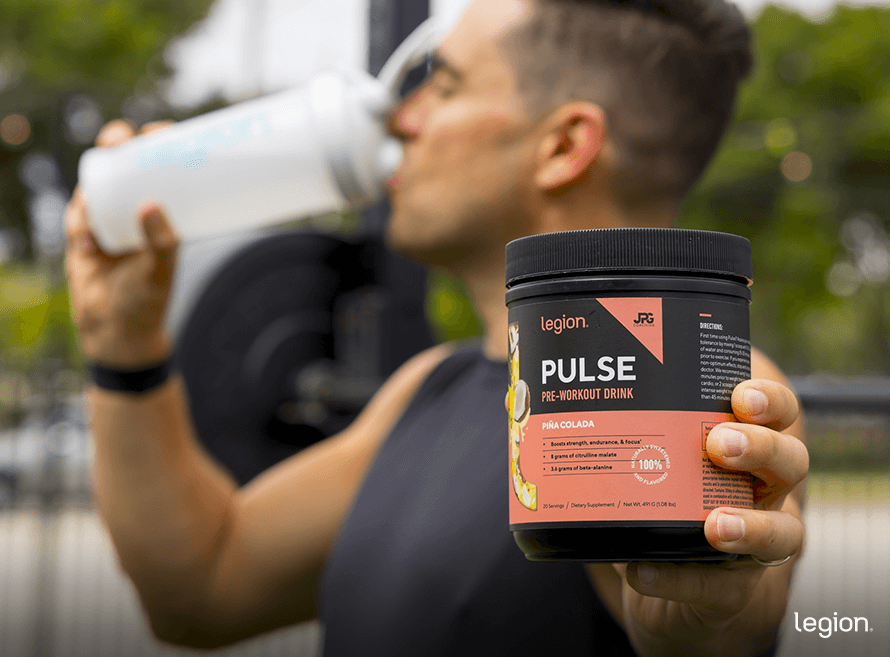
Pre-workout is a supplement you take before training to boost energy, focus, and performance in the gym.
Ingredients vary a lot between products, but most formulas center around some mix of:
- Stimulants, usually caffeine
- Performance ingredients, like beta-alanine, betaine, and—depending on the product—creatine
- “Pump” ingredients like citrulline, which usually support blood flow and make your muscles feel more swollen
You can also get stim-free formulas that remove the stimulants but keep the other performance-focused ingredients.
When Should You Take Pre-Workout?
Most people get the best results when they take pre-workout 30–60 minutes before their first working set. This means the ingredients “kick in” as you start the session.
What Protein Powder Is For (and When to Take It)
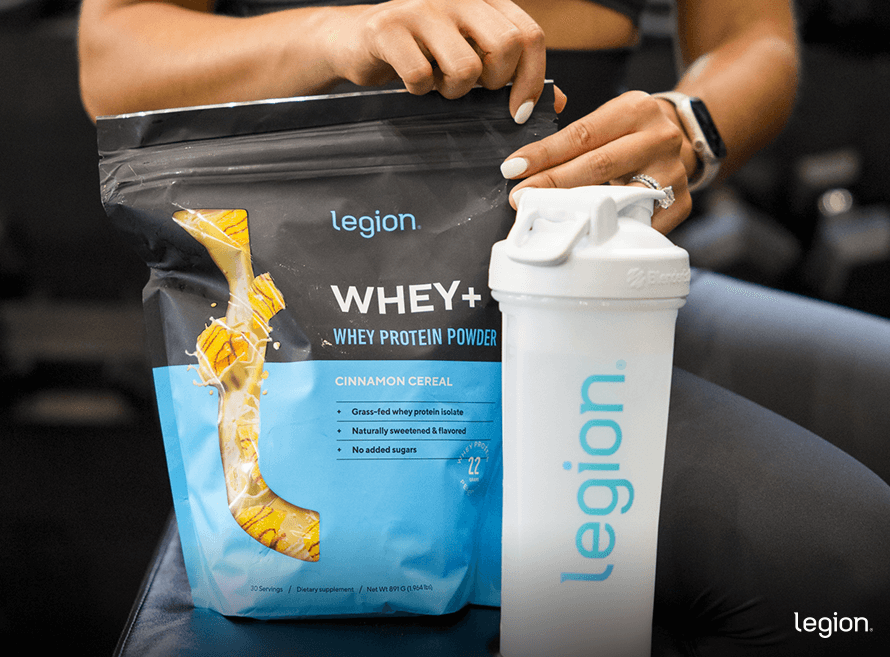
Protein powder is exactly what it sounds like: protein—usually from whey, casein, egg white, or a blend of plants—processed into a fine powder. You mix it with liquid (water or milk) and drink it.
It’s popular because it’s a convenient (and usually tasty) way to get more high-quality protein into your diet—which matters because protein provides the amino acids your body needs to repair and build muscle after training.
When Should You Take Protein Powder?
You can take protein powder whenever you want. The main benefit is simply that it helps you hit your daily protein target more easily—so use it whenever it fits your schedule (after training, between meals, or as a quick high-protein snack).
Pre-Workout vs Protein Powder: Key Differences
Here’s the simplest way to think about the differences between pre-workout and protein powders:
- Pre-workout supports performance.
- Protein powder supports protein intake.
In other words, pre-workout helps you perform better right now. It’s designed to make you feel more energized, more focused, and more ready to push yourself—especially on days when you’re dragging.
Protein powder does something different. It helps you get more high-quality protein into your diet, which makes it easier to recover well and build muscle over time.
Use the one that solves your problem—or use both if you want help on both fronts.
Can You Take Pre-Workout and Protein Powder Together?
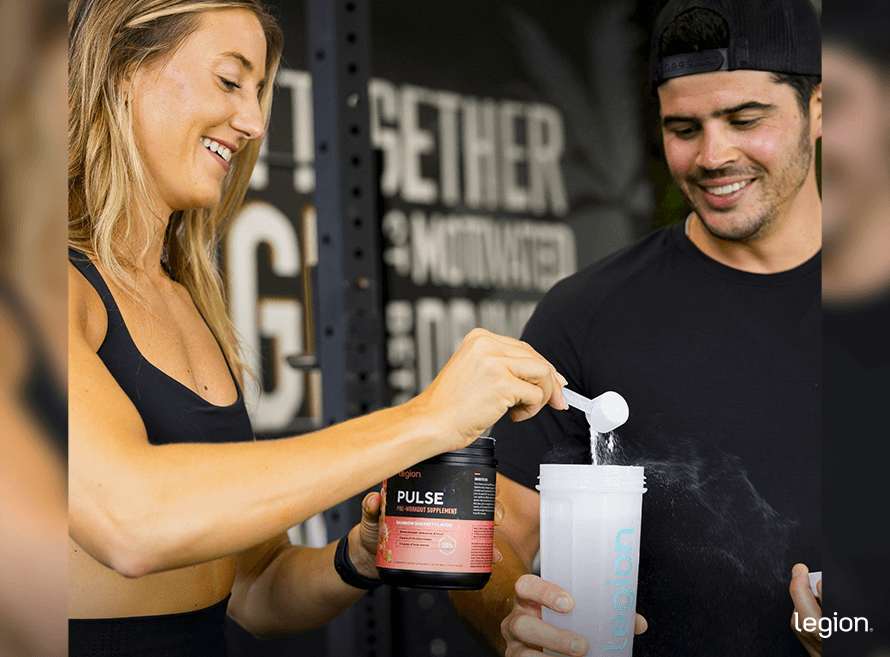
Yes—they do different things, and don’t affect one another, so using both is fine. Take pre-workout 30–60 minutes before you train, and use protein powder whenever it helps you hit your daily protein target (often after training).
Most people don’t mix them in the same drink, though, because pre-workouts are usually fruity and protein powders are usually creamy (unless you’re using a clear whey)—flavors that rarely work well together.
Which Is Better for Your Goal: Protein Powder or Pre-Workout?
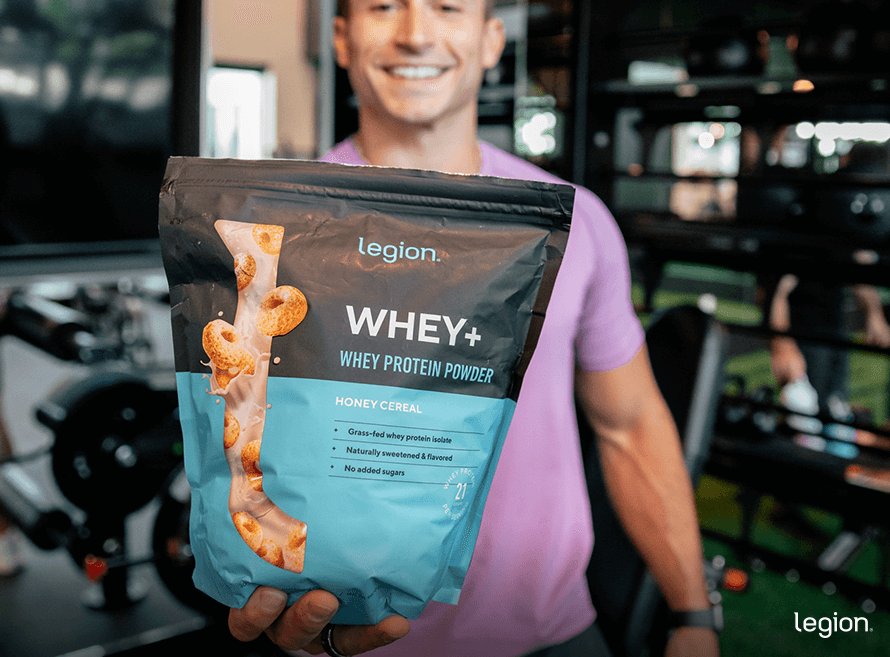
Neither is “better” in general—they’re better for different goals.
If your main issue is workout performance—low energy, low focus, low drive—pre-workout is usually the better fit.
If your main issue is hitting your daily protein target—and you struggle to get enough protein from food—protein powder is usually the better fit.
And if you want the most bang for your buck, start here:
- If you aren’t consistently hitting your daily protein target, choose protein powder first.
- Once that’s handled, add pre-workout if you want an extra push in training.
How to Choose a High-Quality Pre-Workout or Protein Powder
Whether you’re buying pre-workout or protein powder, choose products that . . .
- Contain science-backed ingredients: Only use supplements built on ingredients supported by multiple high-quality human studies or, ideally, meta-analyses. Reputable companies cite this research openly because they want you to see the evidence.
- Use clinically effective doses: Make sure every ingredient is included at the amount shown in research to be safe and effective—not underdosed just to look good on the label.
- Have transparent labels: You should know the exact amount of every ingredient. If a product uses “proprietary blends,” “complexes,” or “matrixes,” the brand is usually hiding something (like ineffective doses).
- Are third-party tested: Choose brands that use independent, third-party testing to verify ingredient purity and dosing accuracy. Research shows that supplements without this testing are more likely to contain undeclared ingredients or the wrong amounts of what’s listed.
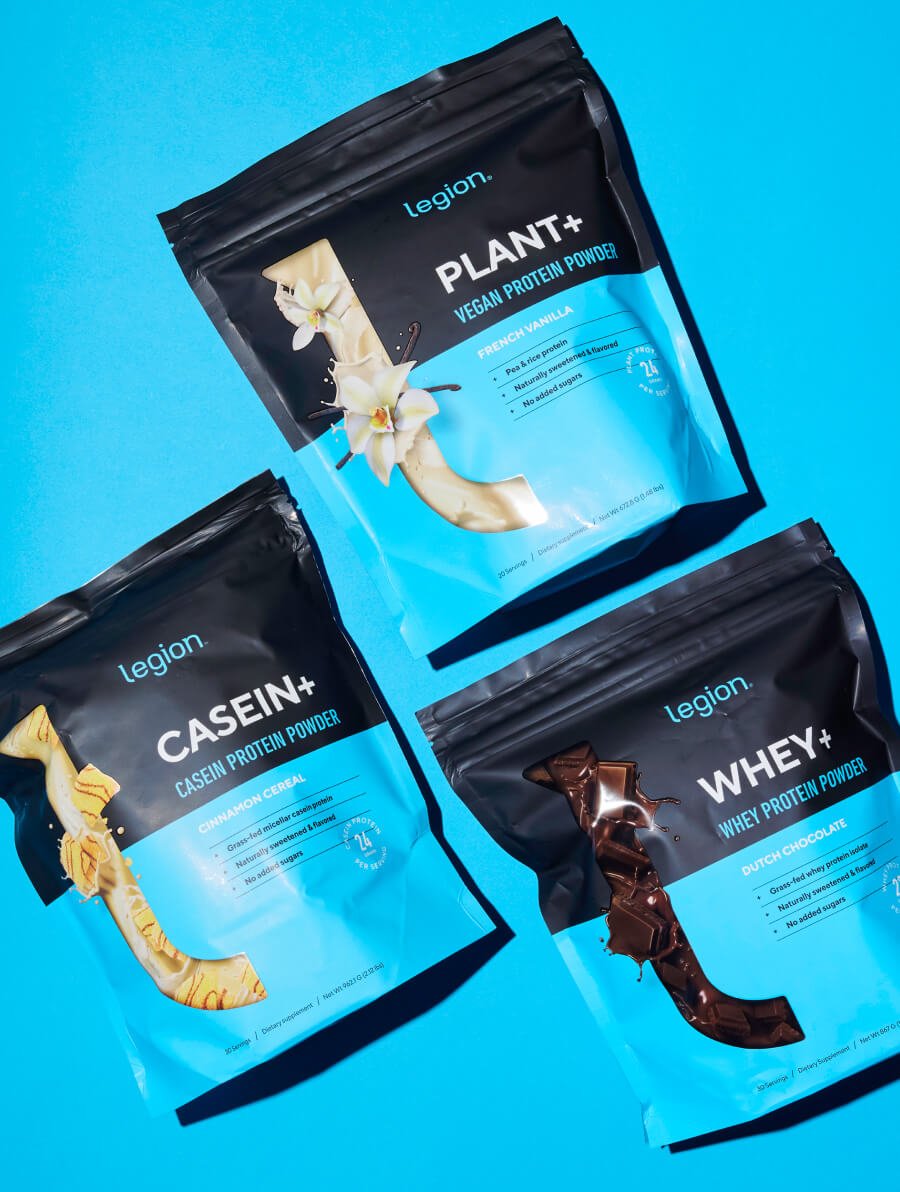
For products that meet all these criteria, try Legion’s . . .
- Pulse, our pre-workout available with or without caffeine, or Pulse+ Burn, our thermogenic pre-workout.
- Whey+, Casein+, Plant+ or Egg+
The Bottom Line on Pre-Workout vs Protein Powder
Pre-workout and protein powder aren’t competitors—they’re tools for different jobs. Pre-workout helps you train harder right now by boosting energy, focus, and performance. Protein powder helps you recover and build muscle over time by making it easier to hit your daily protein target.
If you’re choosing one, prioritize protein powder if your protein intake is inconsistent. Add pre-workout when you want an extra push in training.
FAQ #1: Is protein or pre-workout better?
Neither is better across the board—they’re better for different goals. Pre-workout is mainly for training performance (energy, focus, drive).
Protein powder is mainly for nutrition, because it helps you hit your daily protein target so you can recover and build muscle over time.
Pick the one that solves your biggest bottleneck.
FAQ #2: Should you take both pre-workout and protein powder?
You can, and for many people it makes sense. Pre-workout supports performance during a workout, while protein powder supports muscle growth over time by increasing your overall protein intake.
If you’re consistent with protein already, pre-workout can be a nice “extra.” If you’re not, protein powder usually delivers more practical benefits for muscle and recovery.
FAQ #3: Does pre-workout have protein?
Usually, no. Most pre-workouts are built around stimulants (like caffeine) and other performance-focused ingredients, not protein. Even if a product contains amino acids, that’s not the same as getting a meaningful serving of dietary protein.
If your goal is hitting daily protein intake, you’ll still want protein-rich foods or protein powder.
FAQ #4: Is pre-workout the same as protein powder?
No. Pre-workout is designed to help you perform better right now—more energy, focus, and intensity. Protein powder is designed to make eating enough protein easier, which supports recovery and muscle-building over time.
They can complement each other, but they aren’t interchangeable, and one won’t “do the job” of the other.
FAQ #5: Can a protein shake replace pre-workout?
No. A protein shake can help with recovery by supporting protein intake, but it won’t boost workout energy or focus the way pre-workout does. If you feel flat in training, caffeine (from pre-workout, an energy drink, or coffee) is usually the more direct fix.
Want More Content Like This?
Check out these articles: