Pre-workout has a reputation problem.
Some people avoid it because they think it’ll make them jittery, nauseous, or unable to sleep. Others take it expecting an instant surge of energy—and end up disappointed when that doesn’t happen.
Both reactions miss the point.
Used properly, pre-workout doesn’t feel extreme. It simply makes training feel easier to start, focus on, and sustain.
In this article, you’ll learn what pre-workout usually feels like from start to finish, why those sensations happen, and how to use it in a way that supports your training instead of distracting from it.
Key Takeaways
- Used properly, pre-workout doesn’t feel extreme. It simply makes training feel easier to start, focus on, and sustain.
- The effects build gradually, with little happening at first, stronger focus and readiness showing up within 10–30 minutes, peak effects around 30–60 minutes, and lingering stimulation that can last for hours.
- Most of how pre-workout feels comes from a small group of ingredients, with caffeine driving energy and focus, beta-alanine causing harmless tingling, citrulline contributing to the pump, and L-theanine smoothing caffeine’s effects.
- When pre-workout feels bad—it makes you feel jittery, anxious, nauseous, or like you can’t sleep—it’s usually a dose, timing, or product-quality issue rather than something inherent to pre-workout itself.
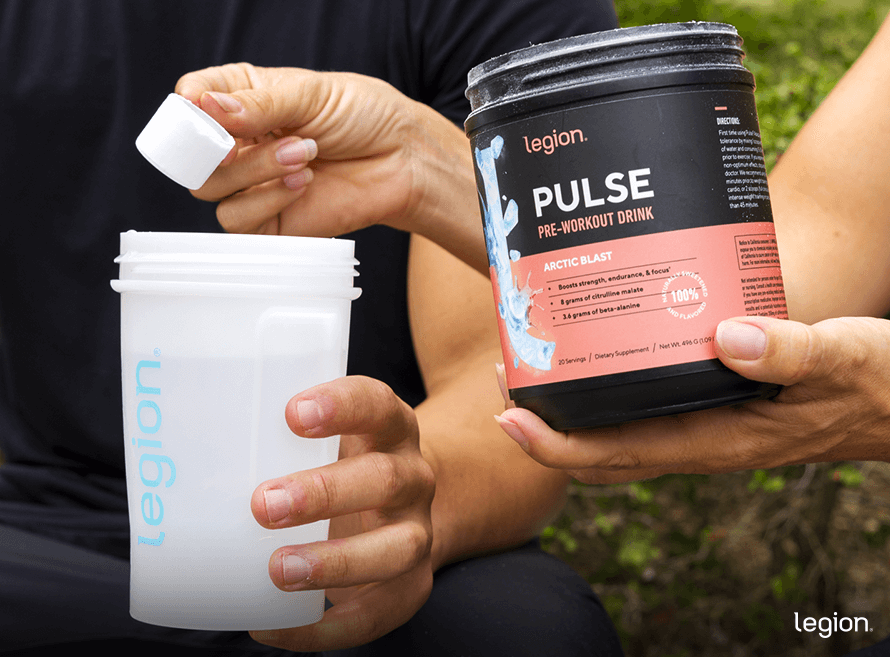
- If you want a pre-workout containing ingredients at clinically effective doses that’s lab-tested for purity and accuracy, try Pulse with or without caffeine.
Table of Contents
+
What Does Pre-Workout Feel Like?
For most people, pre-workout doesn’t create a dramatic, all-at-once sensation. Instead, it produces a gradual shift in how you feel and perform during training.
Typically, that means you feel more awake and mentally engaged, it’s easier to start your workout, your focus improves once you’re training, and fatigue feels a little less limiting as the workout goes on.
And the way it unfolds is pretty predictable.
The “Timeline” of What Pre-Workout Makes You Feel
- 0–10 minutes: You usually don’t feel anything in the first 10 minutes. If you do feel something right away, it’s often placebo or just the act of gearing up to train. Most ingredients need time to kick in.
- 10–30 minutes: This is when people start noticing that “ready to go” feeling. If your pre-workout contains beta-alanine, this is also when you may feel itching or tingling, often in your face, ears, hands, or arms.
- 30–60 minutes: This is typically the sweet spot when you feel most dialed in and ready to train. If your pre-workout includes ingredients meant to improve blood flow, the pump tends to show up here too—especially once you’re a few sets into training.
- 60–180+ minutes: Many people expect pre-workout to be a quick spike that disappears fast. In reality, the strongest effects fade gradually, but stimulation can linger for hours—especially if you’re sensitive to caffeine or took a higher dose.
Why Pre-Workout Makes You Feel That Way
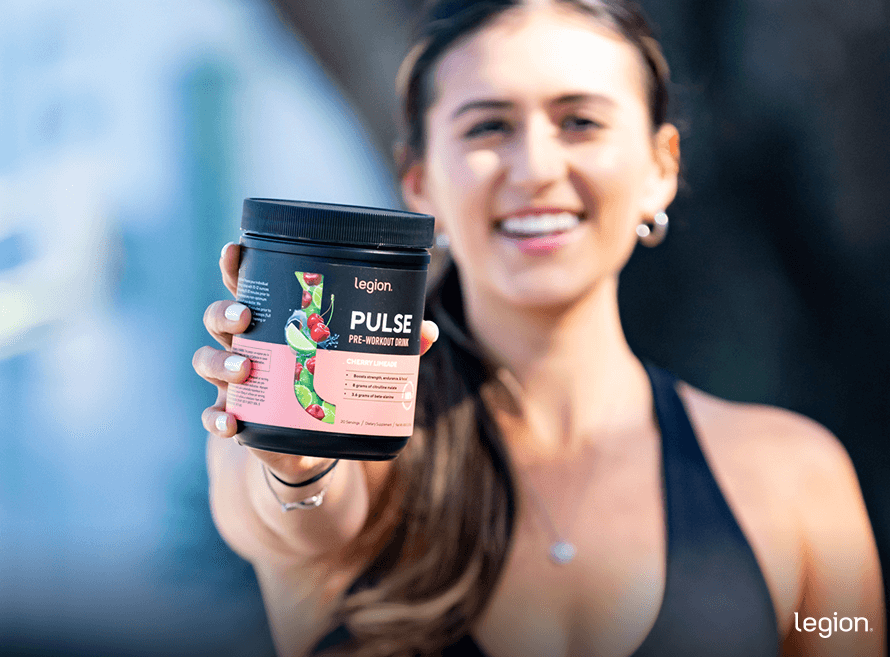
The way pre-workout makes you feel isn’t random. Most of the noticeable effects—both good and bad—come from a small group of ingredients.
Once you understand what each of these ingredients does, the pre-workout experience makes a lot more sense.
Caffeine: Energy, Alertness, “Buzz,” and Jitters
Caffeine is the primary reason pre-workout makes you feel more awake, alert, and motivated to train.
It works mainly by blocking adenosine, a neurotransmitter that promotes sleepiness and fatigue. When adenosine’s effects are muted, your brain feels more alert, your reaction time improves, and effort tends to feel easier.
Research shows caffeine reliably improves mental alertness and reduces perceived fatigue, which is why workouts often feel easier to start—and easier to push through—after taking it.
That same mechanism also explains the downside.
When caffeine dose exceeds what your body tolerates well, stimulation can tip over into jitters, restlessness, anxiety, or a racing heart. Instead of feeling focused and energized, you feel wired and uncomfortable.
Beta-Alanine: Tingling or Itching
Beta-alanine is an amino acid that increases the amount of work muscles can do before they fatigue, improves anaerobic exercise capacity, and increases muscle endurance.
It’s also the ingredient in pre-workout that causes your skin to tingle or itch. This sensation—called paresthesia—can feel odd if you’re not expecting it, but it’s harmless. It isn’t an allergic reaction, and it doesn’t mean anything is wrong.
To learn more about why paresthesia happens, how long it lasts, and how to minimize it, check out this article:
What in Pre-Workout Makes You Itch?
Citrulline: The “Pump” Sensation
If pre-workout makes your muscles feel fuller, tighter, or more “swollen” during training, citrulline is usually the reason.
Citrulline increases nitric oxide in the body, which helps blood vessels relax and widen. During training, that allows more blood to flow into working muscles, creating the pump people associate with pre-workout.
How noticeable this feels varies. Some people feel a strong, obvious pump, especially if they do higher-rep sets or take shorter rest periods. Others notice it more subtly—muscles feel firmer rather than dramatically inflated.
It’s also worth noting that the pump itself isn’t just cosmetic. Increased blood flow can make sets feel less fatiguing, which is why many people feel they can push a little harder once it kicks in.
L-Theanine: Focus and Calm
L-theanine is often included in pre-workout to smooth out the mental effects of caffeine.
On its own, L-theanine doesn’t stimulate or energize you. Instead, it promotes a calmer, more relaxed state. When paired with caffeine, it can help you feel focused and alert without feeling jittery or overstimulated.
This is why some pre-workouts feel “cleaner” than others. Rather than amplifying caffeine’s buzz, L-theanine tends to take the edge off, making the energy feel more controlled and easier to sustain during training.
Not everyone notices this effect strongly, but people who are sensitive to caffeine—or prone to jitters—often feel the difference most.
Common Side Effects (What’s Normal vs. Too Much)
Most pre-workout side effects fall into one of two categories: normal, dose-related effects and signs you’ve taken too much.
Knowing the difference makes it much easier to dial things in instead of swearing off pre-workout entirely.
Normal side effects (generally harmless):
These are common, especially if you’re new to pre-workout or taking a full dose:
- Mild tingling or itching (from beta-alanine)
- Slight increase in heart rate
- Feeling warmer or flushed
- Feeling more awake
- Needing to use the bathroom
These effects are usually short-lived and tend to lessen as your body adapts or as you adjust dose and timing.
Side effects that suggest “too much”:
These are signs the stimulant dose exceeds what you tolerate well:
- Jitters, shakiness, or restlessness
- Anxious or uneasy feeling
- Racing heart or pounding heartbeat
- Nausea or lightheadedness
- Trouble sleeping hours later
If you’re dealing with these, reducing your dose or adjusting timing is usually a good idea.
For a full breakdown of what causes each side effect—and how to fix it—check out this article:
Common Pre-Workout Side Effects (And How to Reduce Them)
How to Use Pre-Workout for the Best Feel (Without Unwanted Side Effects)
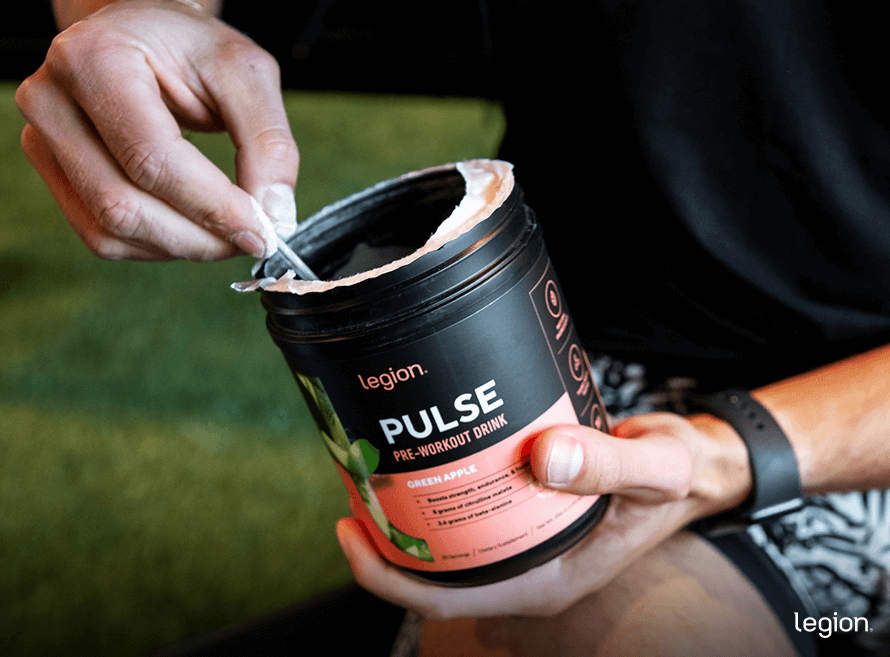
The first step is choosing a well-formulated pre-workout with clinically effective doses—that is, enough of each ingredient to deliver benefits without unnecessary side effects.
It’s also smart to stick with brands that use independent, third-party testing to verify ingredient purity and dosing accuracy. Supplements without this testing are more likely to contain undeclared ingredients or incorrect amounts, and inaccurate labels make it harder to predict how a pre-workout will make you feel.
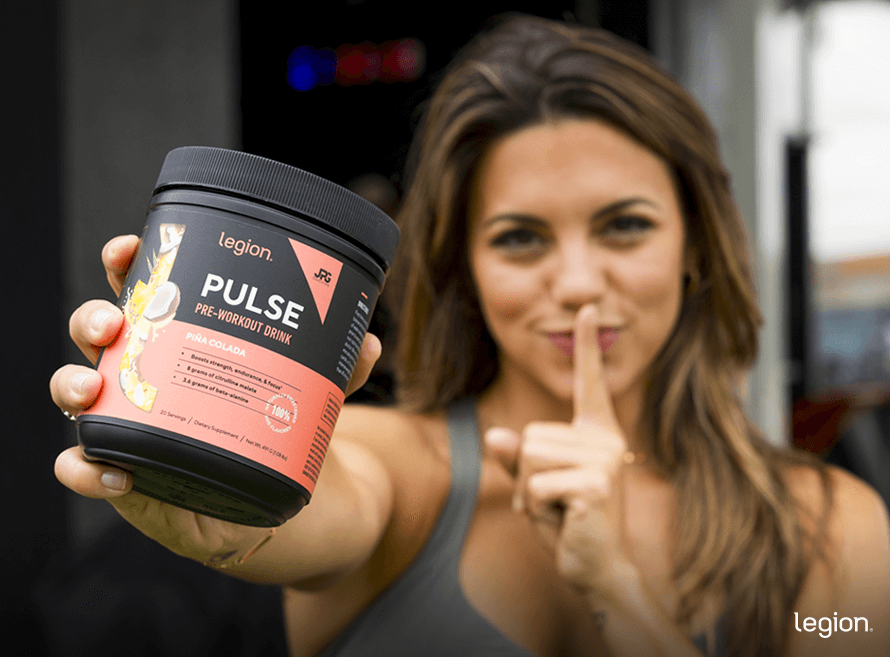
If you want a pre-workout that meets these criteria, try Pulse.
If you’re taking pre-workout for the first time and you’re unsure how it will make you feel, the simplest approach is to start with a half dose and see how you respond.
If you tolerate it well and don’t feel uncomfortable or overstimulated, you can move up to a full serving the next time. This lets you get the benefits without overshooting what your body handles comfortably.
Timing matters too. Taking pre-workout too late in the day can leave you feeling wired at bedtime, even if your workout feels great. For most people, using it earlier works best.
And if you have to train late in the day but still want a pre-workout boost, a stimulant-free option—like stim-free Pulse—can help you get the performance benefits without disrupting sleep.
The Bottom Line on What Pre-Workout Feels Like
For most people, pre-workout doesn’t feel intense or overwhelming—it feels like a subtle but noticeable upgrade to how training starts and unfolds.
You’re usually more awake and mentally engaged, it’s easier to get moving, focus improves once you’re training, and fatigue feels a little less limiting as the workout goes on. Depending on the ingredients, you may also notice tingling from beta-alanine or a stronger muscle pump from citrulline.
When pre-workout feels bad (causes jitters, anxiety, or nausea), it’s almost always a dose, timing, or product-quality issue, not something inherent to pre-workout itself.
Choose a well-formulated product, start with a sensible dose, time it appropriately, and adjust based on how you respond. When you do that, pre-workout should simply make training feel easier—not dramatic, not overwhelming, and definitely not unpleasant.
FAQ #1: How are you supposed to feel on pre-workout?
Most people feel more awake, mentally engaged, and ready to train. Starting a workout feels easier, focus improves once you’re moving, and fatigue feels less limiting as the session goes on. Some people also notice tingling or a stronger pump, depending on the ingredients.
FAQ #2: Does pre-workout give you a buzz?
It can, mainly because of caffeine. At the right dose, that “buzz” feels like alertness and focus. At higher doses—or if you’re sensitive—it can feel jittery or uncomfortable. A well-formulated pre-workout and sensible dosing help keep the effect controlled.
FAQ #3: Does pre-workout make you feel good?
For most people, yes—when it’s used correctly. Pre-workout should make training feel easier to start and easier to sustain. If it makes you anxious, nauseous, or overstimulated, that usually means the dose is too high or the product isn’t well formulated.
Want More Content Like This?
Check out these articles:
- Pre-Workout vs. Protein Powder: Which Is Best for You?
- Dry Scooping Pre-Workout: What It Is and Why People Do It
- Can You Mix Creatine with Pre-Workout for Greater Gains?
Scientific References +
- Astrup, A, et al. “Caffeine: A Double-Blind, Placebo-Controlled Study of Its Thermogenic, Metabolic, and Cardiovascular Effects in Healthy Volunteers.” The American Journal of Clinical Nutrition, vol. 51, no. 5, 1 May 1990, pp. 759–767, https://doi.org/10.1093/ajcn/51.5.759.
- Warren, Gordon L, et al. “Effect of Caffeine Ingestion on Muscular Strength and Endurance: A Meta-Analysis.” Medicine and Science in Sports and Exercise, vol. 42, no. 7, 2010, pp. 1375–87, https://doi.org/10.1249/MSS.0b013e3181cabbd8.
- A, Nehlig. “Is Caffeine a Cognitive Enhancer?” Journal of Alzheimer’s Disease : JAD, 2010, pubmed.ncbi.nlm.nih.gov/20182035/.
- Doherty, M., and P. M. Smith. “Effects of Caffeine Ingestion on Rating of Perceived Exertion during and after Exercise: A Meta-Analysis.” Scandinavian Journal of Medicine and Science in Sports, vol. 15, no. 2, Apr. 2005, pp. 69–78, https://doi.org/10.1111/j.1600-0838.2005.00445.x.
- Ament, Wim, and Gijsbertus J Verkerke. “Exercise and Fatigue.” Sports Medicine (Auckland, N.Z.), vol. 39, no. 5, 2009, pp. 389–422, www.ncbi.nlm.nih.gov/pubmed/19402743, https://doi.org/10.2165/00007256-200939050-00005.
- Hill, C. A., et al. “Influence of β-Alanine Supplementation on Skeletal Muscle Carnosine Concentrations and High Intensity Cycling Capacity.” Amino Acids, vol. 32, no. 2, 28 July 2006, pp. 225–233, pubmed.ncbi.nlm.nih.gov/16868650/, https://doi.org/10.1007/s00726-006-0364-4.
- Sale, Craig, et al. “Effect of β-Alanine plus Sodium Bicarbonate on High-Intensity Cycling Capacity.” Medicine & Science in Sports & Exercise, Mar. 2011, p. 1, https://doi.org/10.1249/mss.0b013e3182188501.
- Smith, Abbie E, et al. “Effects of β-Alanine Supplementation and High-Intensity Interval Training on Endurance Performance and Body Composition in Men; a Double-Blind Trial.” Journal of the International Society of Sports Nutrition, vol. 6, no. 1, 2009, p. 5, www.ncbi.nlm.nih.gov/pmc/articles/PMC2649036/, https://doi.org/10.1186/1550-2783-6-5. Accessed 1 Mar. 2019.
- Kern, Ben D, and Tracey L Robinson. “Effects of β-Alanine Supplementation on Performance and Body Composition in Collegiate Wrestlers and Football Players.” Journal of Strength and Conditioning Research, vol. 25, no. 7, 2011, pp. 1804–15, www.ncbi.nlm.nih.gov/pubmed/21659893/, https://doi.org/10.1519/JSC.0b013e3181e741cf.
- Förstermann, Ulrich, and William C Sessa. “Nitric Oxide Synthases: Regulation and Function.” European Heart Journal, vol. 33, no. 7, 2012, pp. 829–37, 837a837d, https://doi.org/10.1093/eurheartj/ehr304.
- Zhao, Yingzi, et al. “Vascular Nitric Oxide: Beyond ENOS.” Journal of Pharmacological Sciences, vol. 129, no. 2, Oct. 2015, pp. 83–94, https://doi.org/10.1016/j.jphs.2015.09.002.
- Pérez-Guisado, Joaquín, and Philip M Jakeman. “Citrulline Malate Enhances Athletic Anaerobic Performance and Relieves Muscle Soreness.” Journal of Strength and Conditioning Research, vol. 24, no. 5, 2010, pp. 1215–22, www.ncbi.nlm.nih.gov/pubmed/20386132, https://doi.org/10.1519/JSC.0b013e3181cb28e0.
- Glenn, Jordan M., et al. “Acute Citrulline Malate Supplementation Improves Upper- and Lower-Body Submaximal Weightlifting Exercise Performance in Resistance-Trained Females.” European Journal of Nutrition, vol. 56, no. 2, 11 Dec. 2015, pp. 775–784, https://doi.org/10.1007/s00394-015-1124-6.
- Kimura, Kenta, et al. “L-Theanine Reduces Psychological and Physiological Stress Responses.” Biological Psychology, vol. 74, no. 1, Jan. 2007, pp. 39–45, https://doi.org/10.1016/j.biopsycho.2006.06.006.
- Kahathuduwa, Chanaka N., et al. “L -Theanine and Caffeine Improve Target-Specific Attention to Visual Stimuli by Decreasing Mind Wandering: A Human Functional Magnetic Resonance Imaging Study.” Nutrition Research, vol. 49, Jan. 2018, pp. 67–78, https://doi.org/10.1016/j.nutres.2017.11.002.
- Owen, Gail N., et al. “The Combined Effects of L-Theanine and Caffeine on Cognitive Performance and Mood.” Nutritional Neuroscience, vol. 11, no. 4, Aug. 2008, pp. 193–198, https://doi.org/10.1179/147683008x301513.
- Harty, Patrick S., et al. “Multi-Ingredient Pre-Workout Supplements, Safety Implications, and Performance Outcomes: A Brief Review.” Journal of the International Society of Sports Nutrition, vol. 15, no. 1, 8 Aug. 2018, jissn.biomedcentral.com/articles/10.1186/s12970-018-0247-6, https://doi.org/10.1186/s12970-018-0247-6.