Spend 5 seconds googling this question online, and you’ll find countless posts like these:
“I’ve lost 50 pounds after starting Ozempic, but I’m scared I’ll gain all of it back if I stop.”
“After I stopped taking Ozempic, I regained all of the weight I lost and now I’m even fatter than before.”
“I’m thinking about starting Ozempic, but I don’t want to have to take it forever.”
Dig deeper, and doctors in prestigious publications confirm your worst fears:
Stop taking GLP-1 drugs like Ozempic and Wegovy, and odds are good that you’ll regain most or all of the weight you lost.
The evidence backs this up:
In the STEP 1 extension trial—the most-cited study on this topic—people who lost 17% of their body weight on semaglutide, then regained about two-thirds of it within a year of stopping.1
A 2026 Cambridge review of 48 studies found that people regain about 60% of their lost weight within a year of quitting GLP-1 drugs.2
And a 2026 Oxford review found that people return to their starting weight about 18 months after stopping semaglutide or tirzepatide.3
That’s the bad news: Most people do regain all or most of the weight they lost when they stop taking Ozempic.
The good news: That doesn’t have to be you.
With the right strategy, you can limit or avoid the rebound.
Before getting into how, you need to understand what these drugs actually do.
They don’t produce weight loss by “regulating” or “repairing” a dysfunctional endocrine system or metabolism.4
They create a supraphysiological suppression of appetite by mimicking the effects of a natural hormone but at concentrations 20 to 50 times higher than what your body produces on its own.567
Put differently, these drugs produce a “stop eating” signal louder than anything your body could ever produce on its own no matter how “regulated” your hormones were.8
They’re effectively satiety steroids—chemical willpower.
In other words, GLP-1s don’t fix your metabolism. They fix your portion sizes.
Now, there’s a kernel of truth to the idea that people rebound harder after Ozempic than after “old fashioned” dieting. But it’s not because their metabolism reverts back to some “dysfunctional” state that the drugs were correcting.
The real reason: GLP-1s let you lose weight without changing a single habit.
Consider what “old-fashioned,” science-based dieting involves:
- Eat fewer calories than you burn.
- Eat more high-protein foods.
- Eat foods with a lower calorie density that promote satiety—mostly fruits, vegetables, and minimally processed foods.
- Pay attention to your satiety signals, stop eating when you’re satisfied, find something to do besides eating, and build coping strategies for cravings.
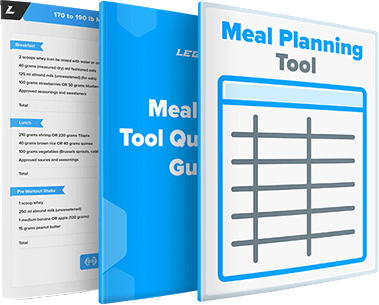
- Follow a meal plan (at least initially to build better eating habits).
- Move more every day.
- Lift weights a few times per week.
Now consider how Ozempic works:
- Inject the drug.
- Your appetite disappears.
- You spontaneously eat less and lose weight like gangbusters.
That’s why these drugs are so popular. You can lose weight without making any meaningful or enduring behavior changes.
The real reason people regain weight after they stop taking Ozempic is the same reason people regain weight after any diet: they stop doing the things that made them lose it.9
Put another way: The more meaningful, consistent, and enduring the behavior changes you make during weight loss, the easier it is to keep the weight off.
For example, a 2024 University of Copenhagen study found that the single best predictor of preventing weight regain after you stop taking a GLP-1 is whether or not you exercised while taking the drug.10
People who exercised regularly while taking GLP-1s regained about 26% less weight in the year after treatment than people who didn’t.
They also kept moving. A year later, they were still training almost four hours per week. The drug-only group? Thirty minutes.
The people who trained during weight loss built habits that outlasted the drug.
Online anecdotes tell the same story.
People who treat Ozempic as a temporary catalyst for lifelong behavior change fare much better than those who treat it as a replacement for eating well and training.
Alright, enough theory. How do you actually keep the weight off after you stop taking Ozempic?
No studies have investigated the optimal playbook, but the evidence points in one direction: build healthy habits before you stop, not after.
Specifically, you should:
- Exercise regularly while taking Ozempic and especially after. Lift weights three or more days a week, minimum.
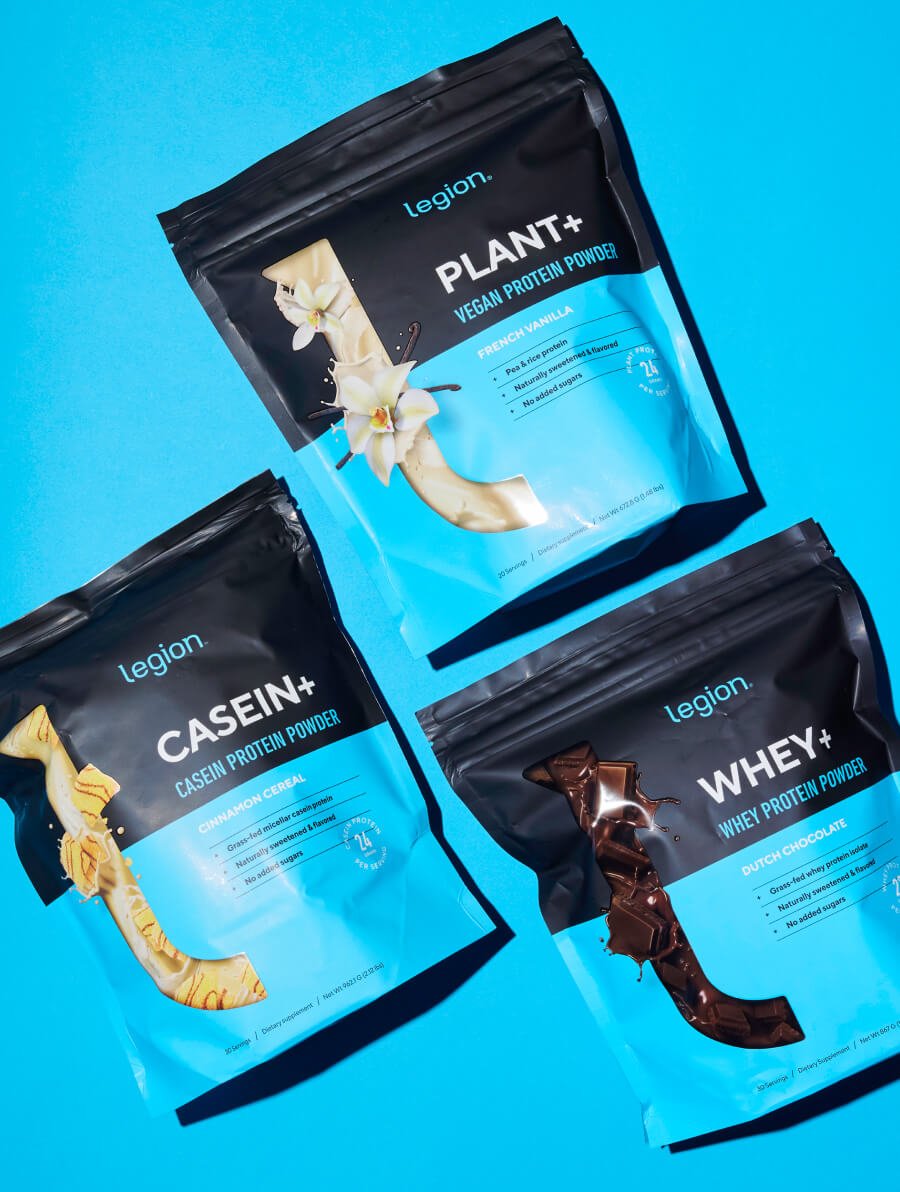
- Eat enough protein—0.7 grams per pound of your target body weight. This blunts appetite and prevents muscle loss, which maintains your metabolic rate and improves your body composition. If hitting this number is difficult for you while taking Ozempic, whey protein or casein protein powder makes this much easier.
- Learn to prepare healthy meals. Don’t be the person eating a bite of pizza and three M&Ms because the drug lets you get away with it. Make a sandwich. Eat an apple. Enjoy a protein bar. The nibble-and-starve approach only works until you stop taking the drug.
- Taper off instead of quitting cold turkey. The limited evidence that exists favors a slower, more deliberate taper rather than stopping entirely.11 Researchers are also testing less-frequent dosing—same amount, taken less often—but the jury is still out on that approach.12
- Expect your body to fight back. When you quit Ozempic, your appetite will rise and some level of food noise will return. The best counter to these hobgoblins is preparation. Create and follow a meal plan so you minimize decision-making while hungry. Keep a list of enjoyable activities that will distract you from food. Build mental coping strategies to counter hunger and impulsive decision making. In most cases, you don’t need to rely on these tools forever, and the hunger and food noise will become less intense over time. But during the first few weeks, they’re the difference between maintaining your hard-won weight loss and eating your way back to square one.
Finally, be honest with yourself about what you can actually sustain.
If you’ve done all of the above, given it your best shot, and your weight is still creeping upward and the hunger and food noise is disrupting your quality of life, taking Ozempic for the foreseeable future may be the right decision.
Going back on isn’t failure. It’s chronic disease management. You can always try again later.
The scientific evidence shows that with the right plan, your odds of maintaining weight loss after you stop taking Ozempic are much better than the media and weight loss Reddit doomers would have you believe.
Scientific References +
- ↩ Wilding JPH. Weight regain and cardiometabolic effects after withdrawal of semaglutide: the STEP 1 trial extension. Diabetes Obes Metab. 2022;24(8):1553-1564.
- ↩ Budini B, et al. Trajectory of weight regain after cessation of GLP-1 receptor agonists: a systematic review and nonlinear meta-regression. EClinicalMedicine. 2026;103796.
- ↩ West S, et al. Weight regain after cessation of medication for weight management: systematic review and meta-analysis. BMJ. 2026;392. Published January 7, 2026.
- ↩ Blundell J, Finlayson G, Axelsen M, et al. Effects of once-weekly semaglutide on appetite, energy intake, control of eating, food preference and body weight in subjects with obesity. Diabetes Obes Metab. 2017;19(9):1242-1251.
- ↩ Wilding JPH, Batterham RL, Calanna S, et al. Once-weekly semaglutide in adults with overweight or obesity. N Engl J Med. 2021;384(11):989-1002.
- ↩ Smits, Mark M, and Jens J Holst. “Endogenous Glucagon‐like Peptide (GLP)‐1 as Alternative for GLP‐1 Receptor Agonists: Could This Work and How?” Diabetes/Metabolism Research and Reviews, vol. 39, no. 8, 24 July 2023
- ↩ Drucker DJ. GLP-1 physiology informs the pharmacotherapy of obesity. Mol Metab. 2022;57:101351.
- ↩ Friedrichsen M, Breitschaft A, Tadayon S, Wizert A, Skovgaard D. The effect of semaglutide 2.4 mg once weekly on energy intake, appetite, control of eating, and gastric emptying in adults with obesity. Diabetes Obes Metab. 2021;23(3):754-762.
- ↩ Phelan S, Wing RR. Prevalence of successful weight loss. Arch Intern Med. 2005;165(20):2430.
- ↩ Birk S, et al. Healthy weight loss maintenance with exercise, GLP-1 receptor agonist, or both combined followed by one year without treatment: a post-treatment analysis of a randomised placebo-controlled trial. EClinicalMedicine. 2024;69:102475.
- ↩ Seier S, et al. Treat to target in weight management with semaglutide: real-world evidence from an eHealth clinic. Diabetes Obes Metab. 2025.
- ↩ Wong M, et al. Reduced-frequency GLP1 therapy maintains weight, body composition, and metabolic syndrome improvements: a case series. Obesity. 2026.